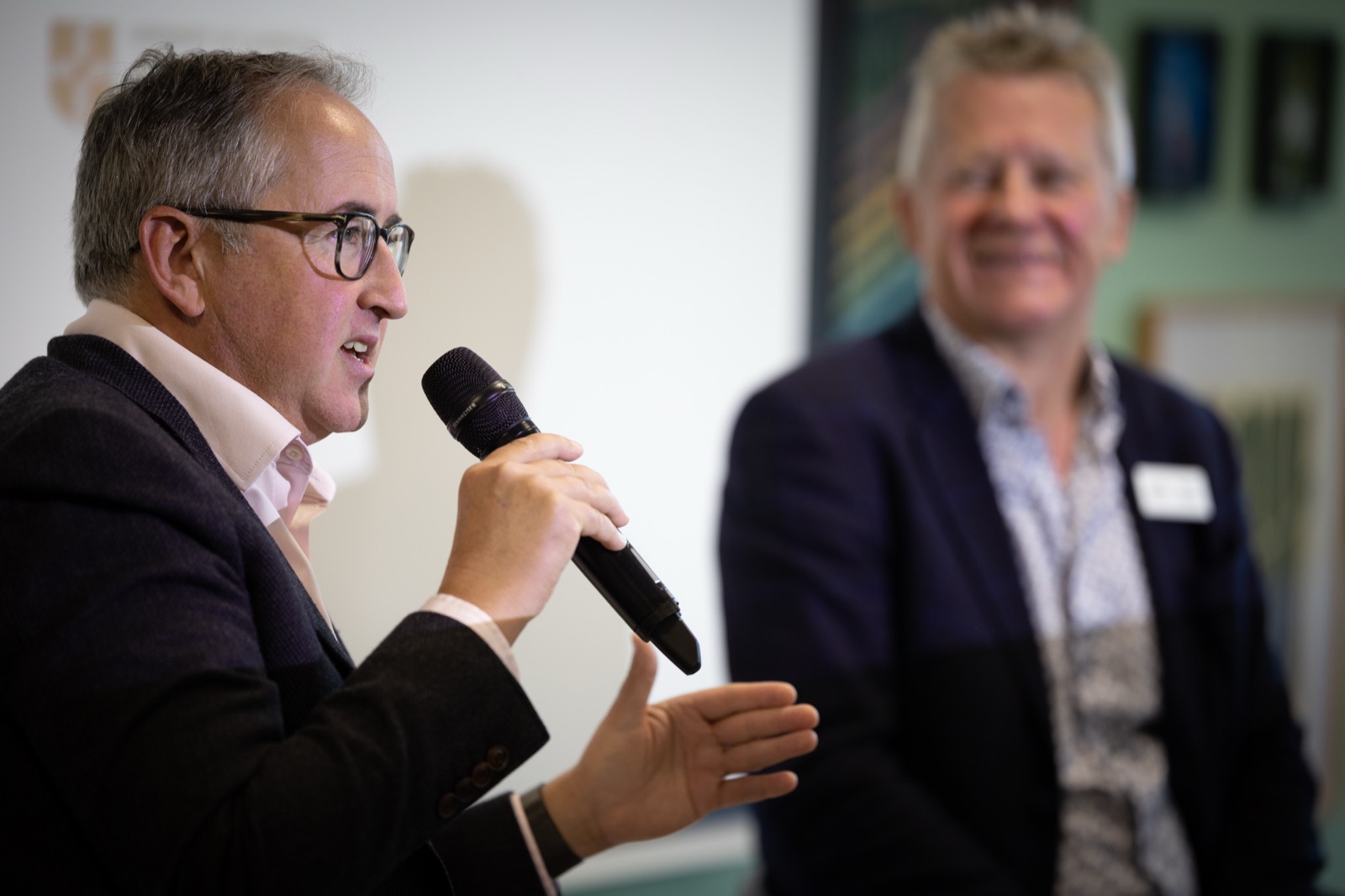
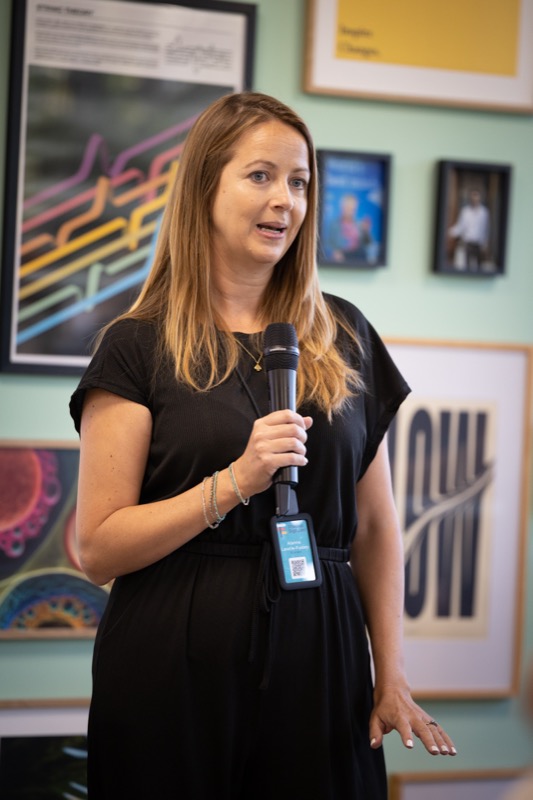
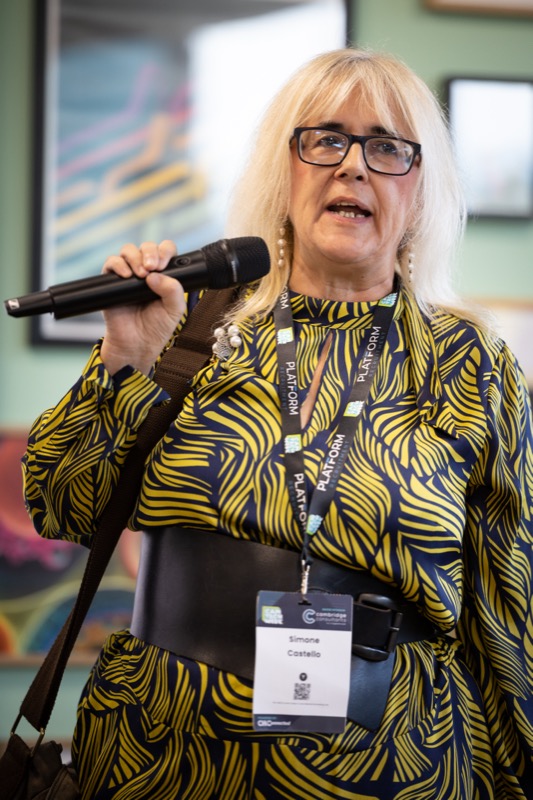
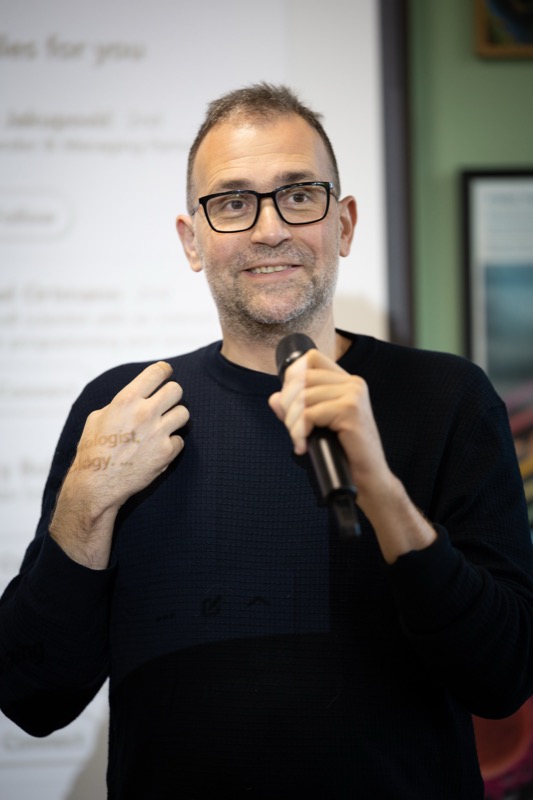
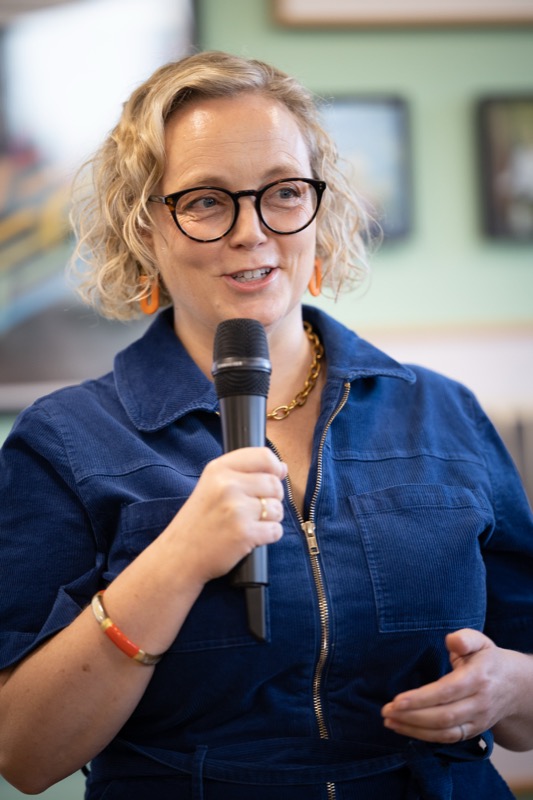
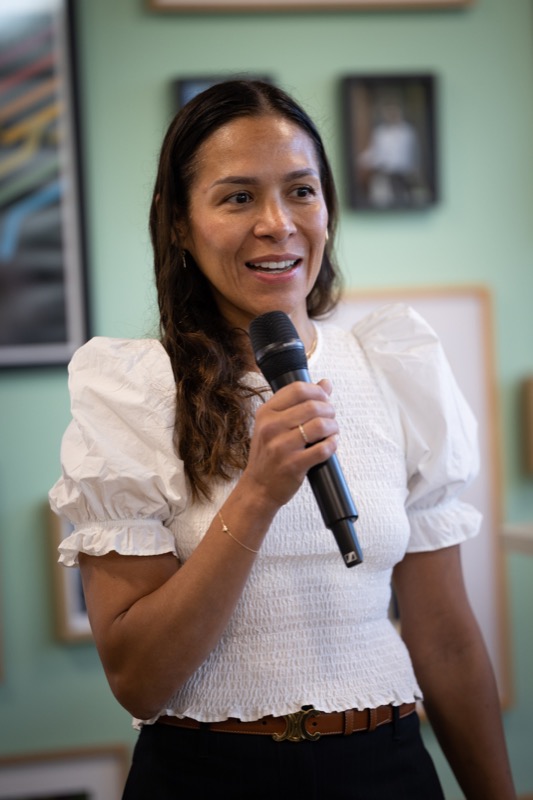
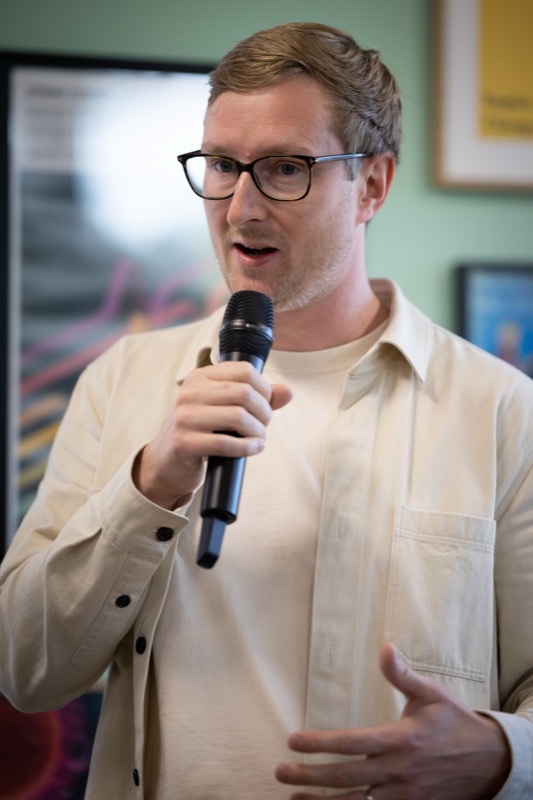
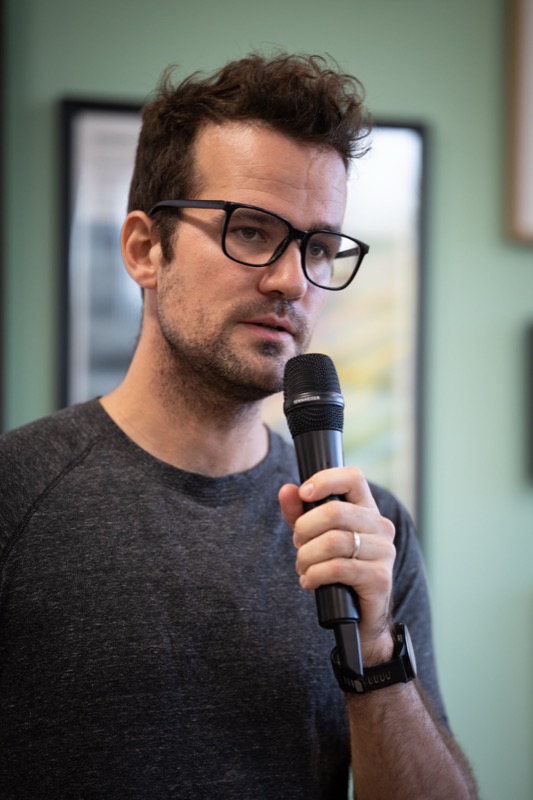
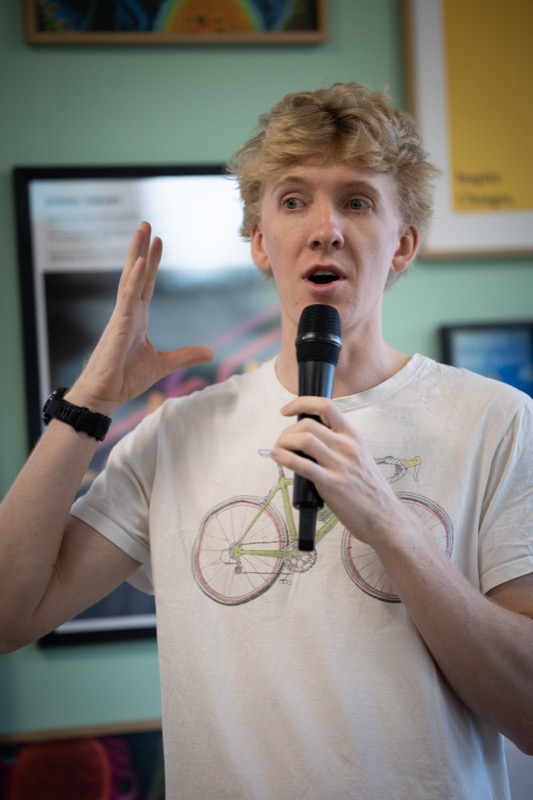
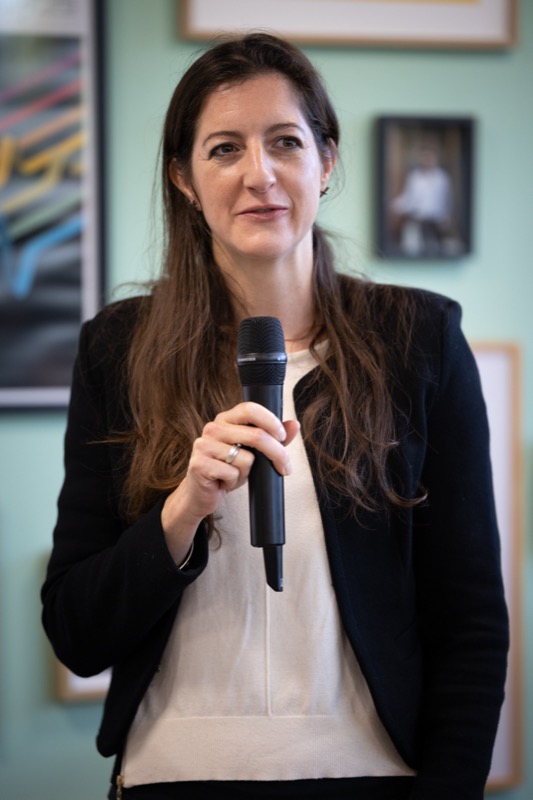
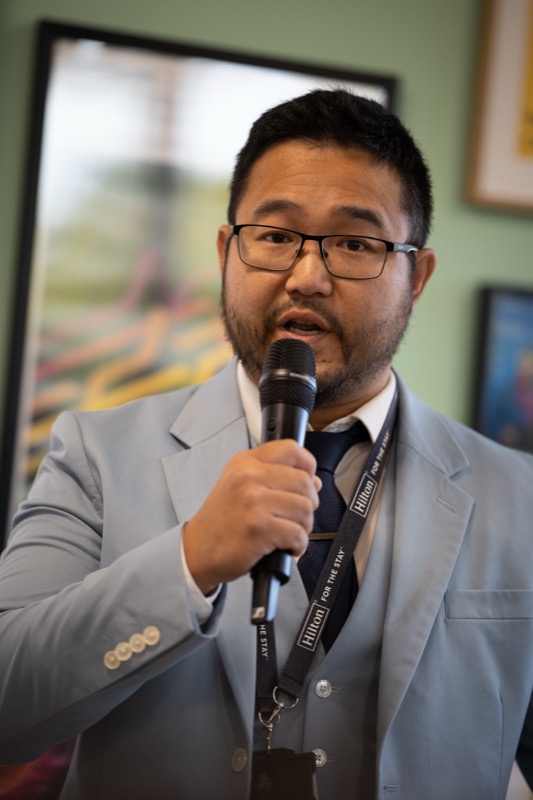
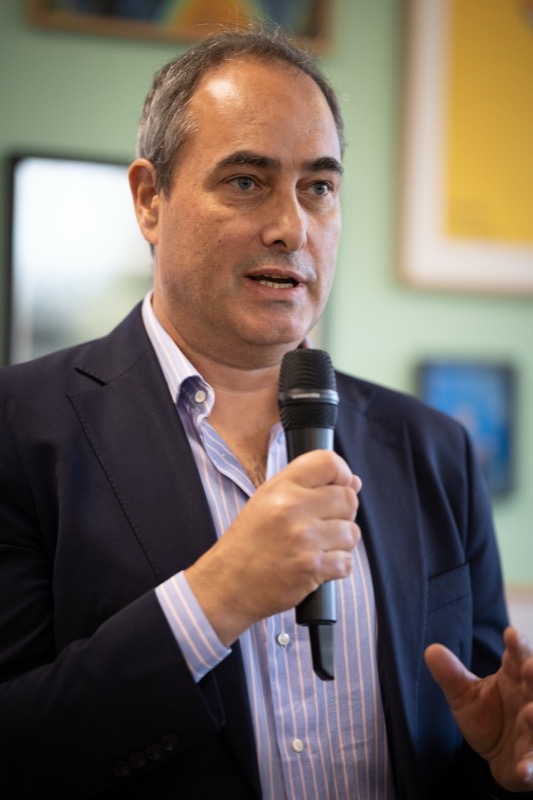
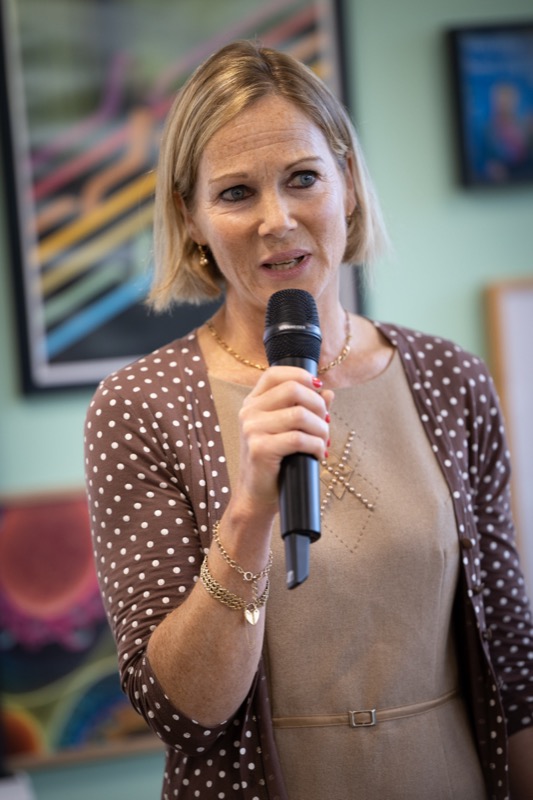
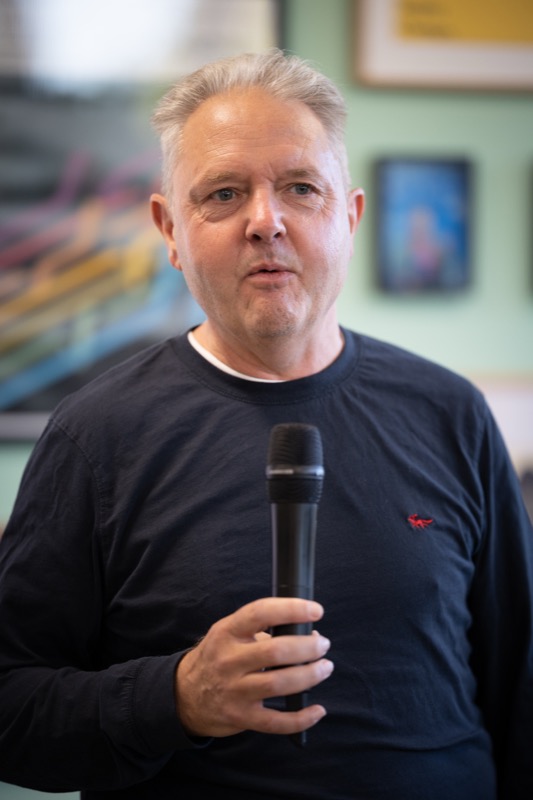
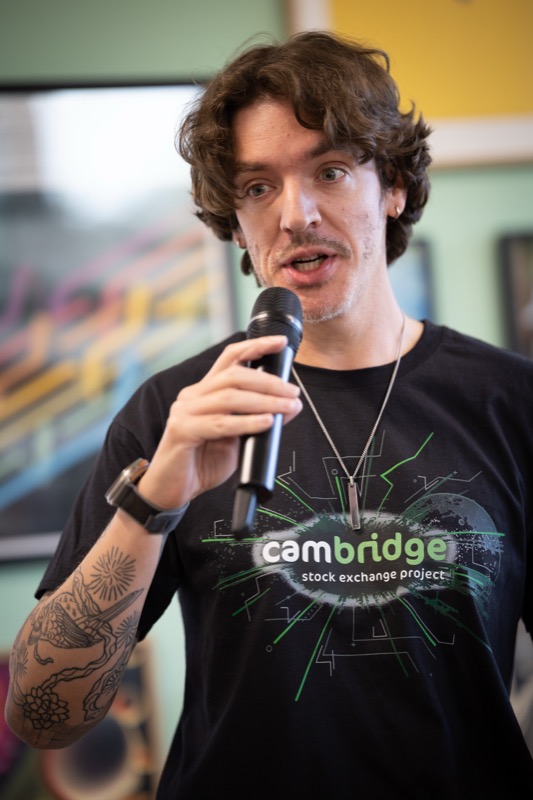
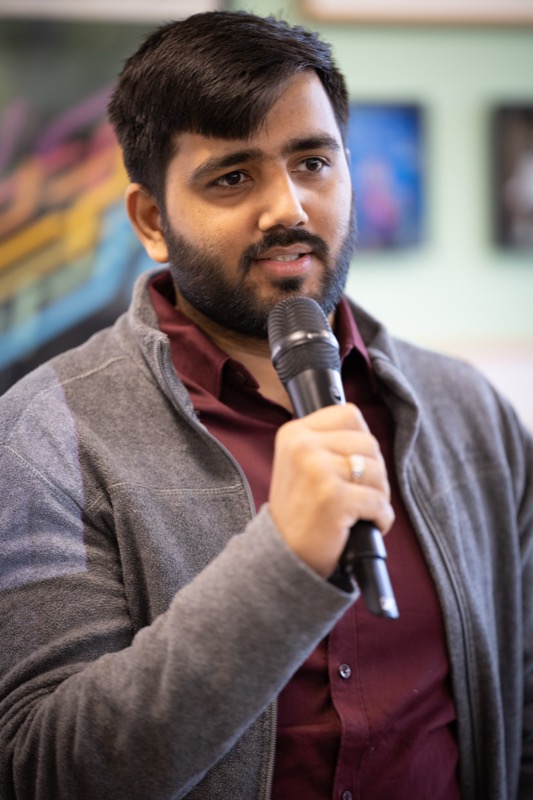
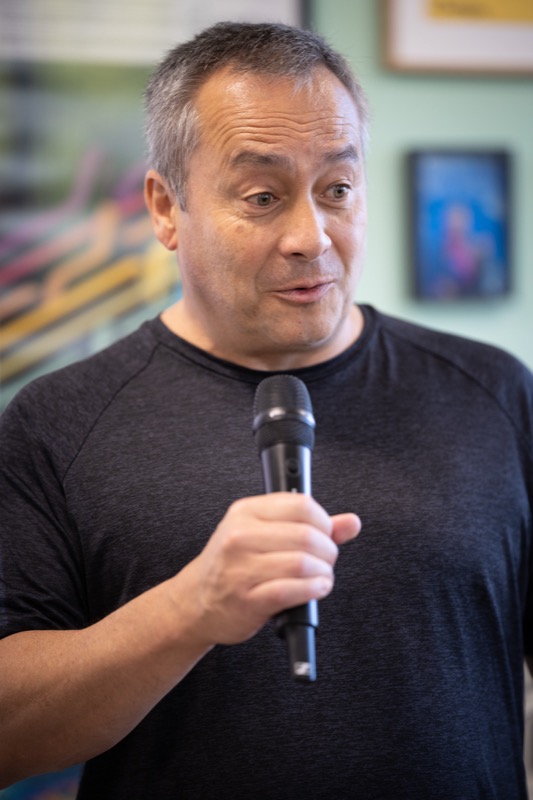
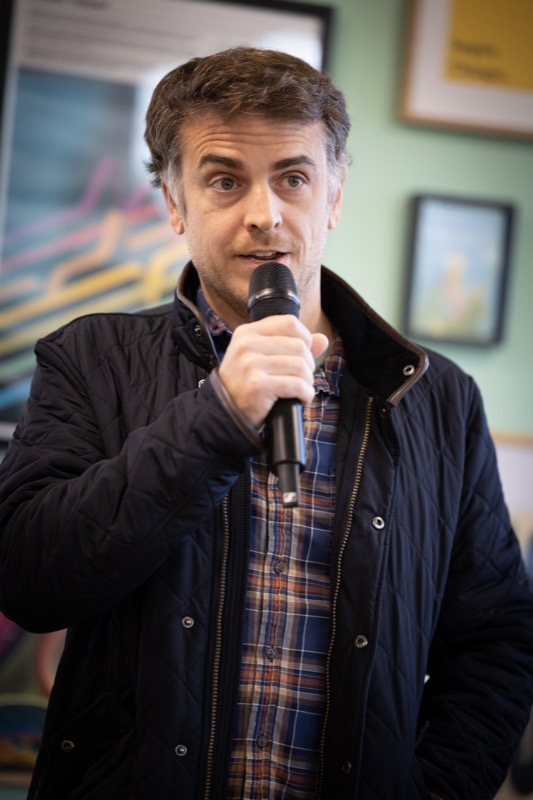
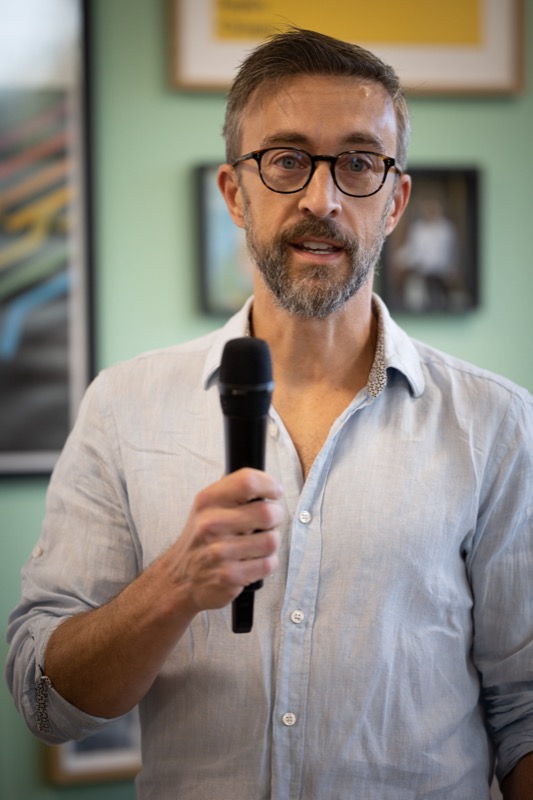
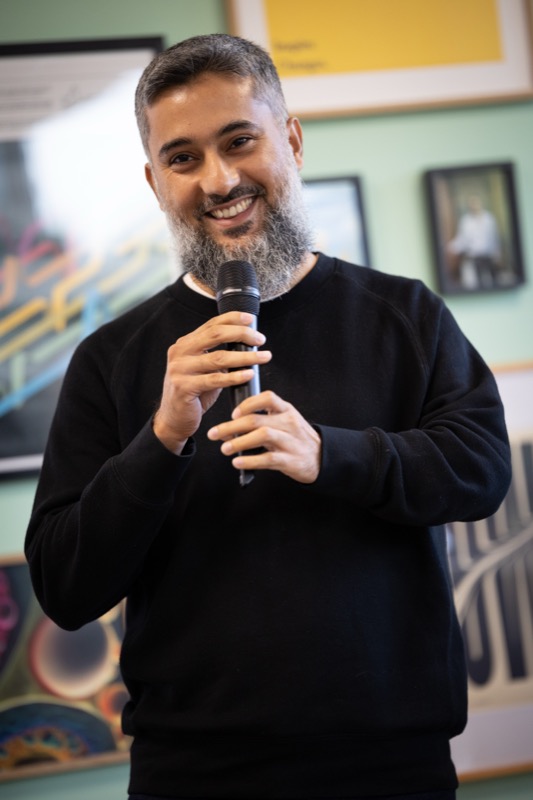
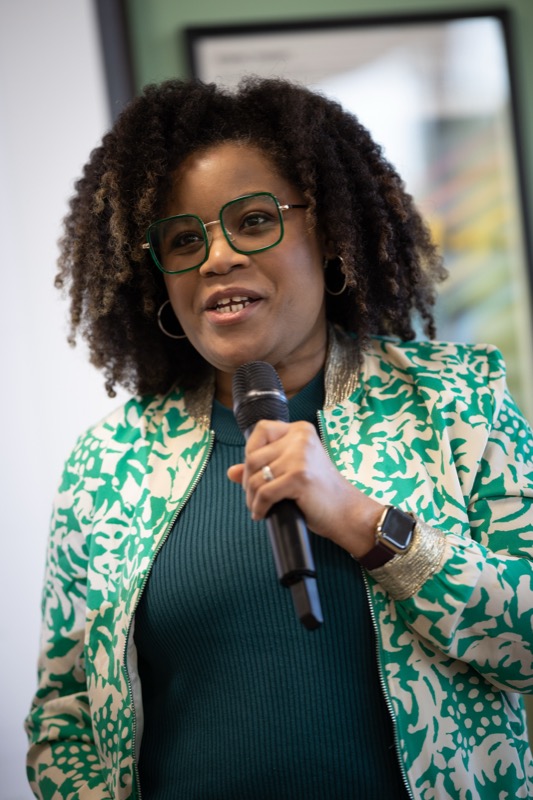
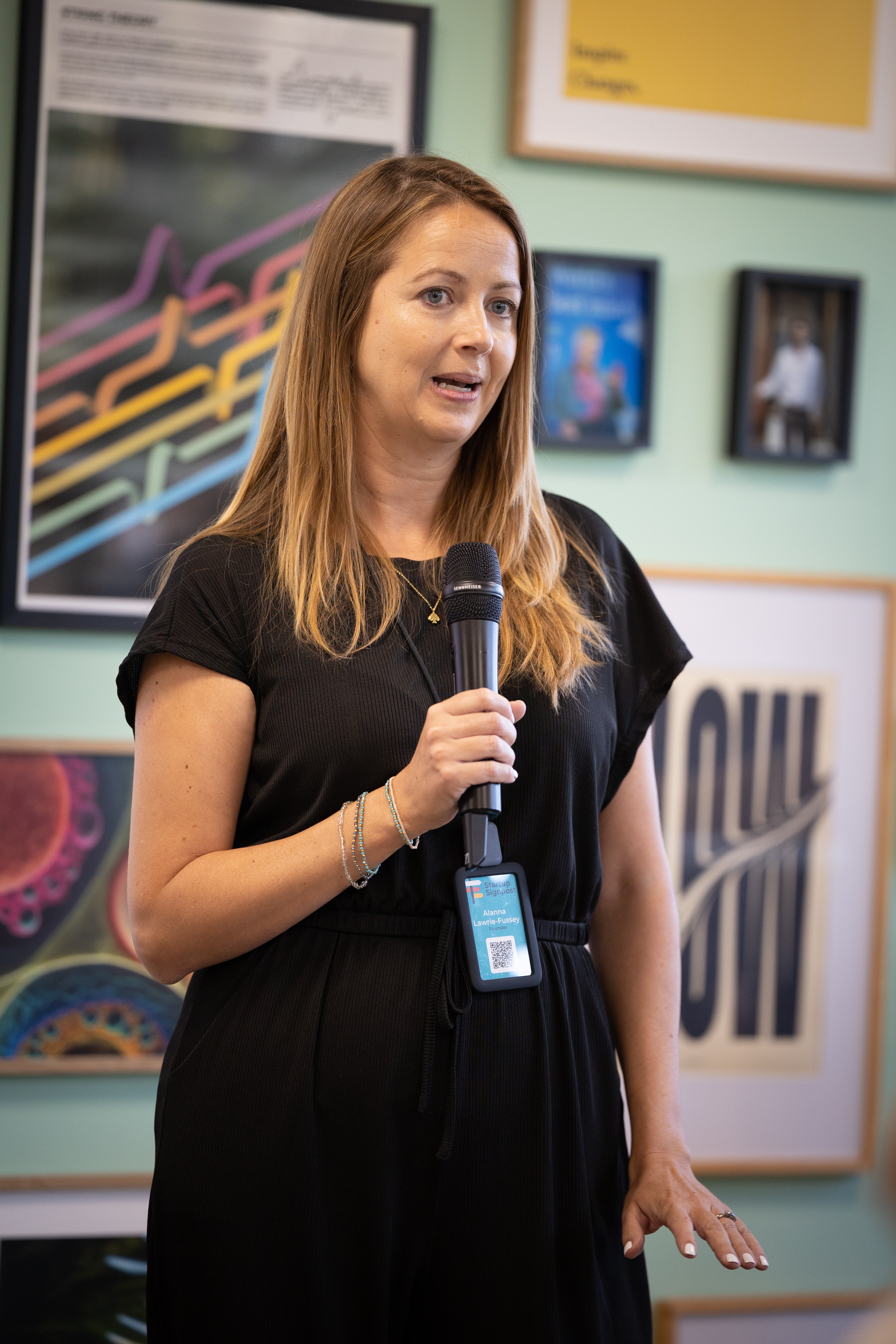
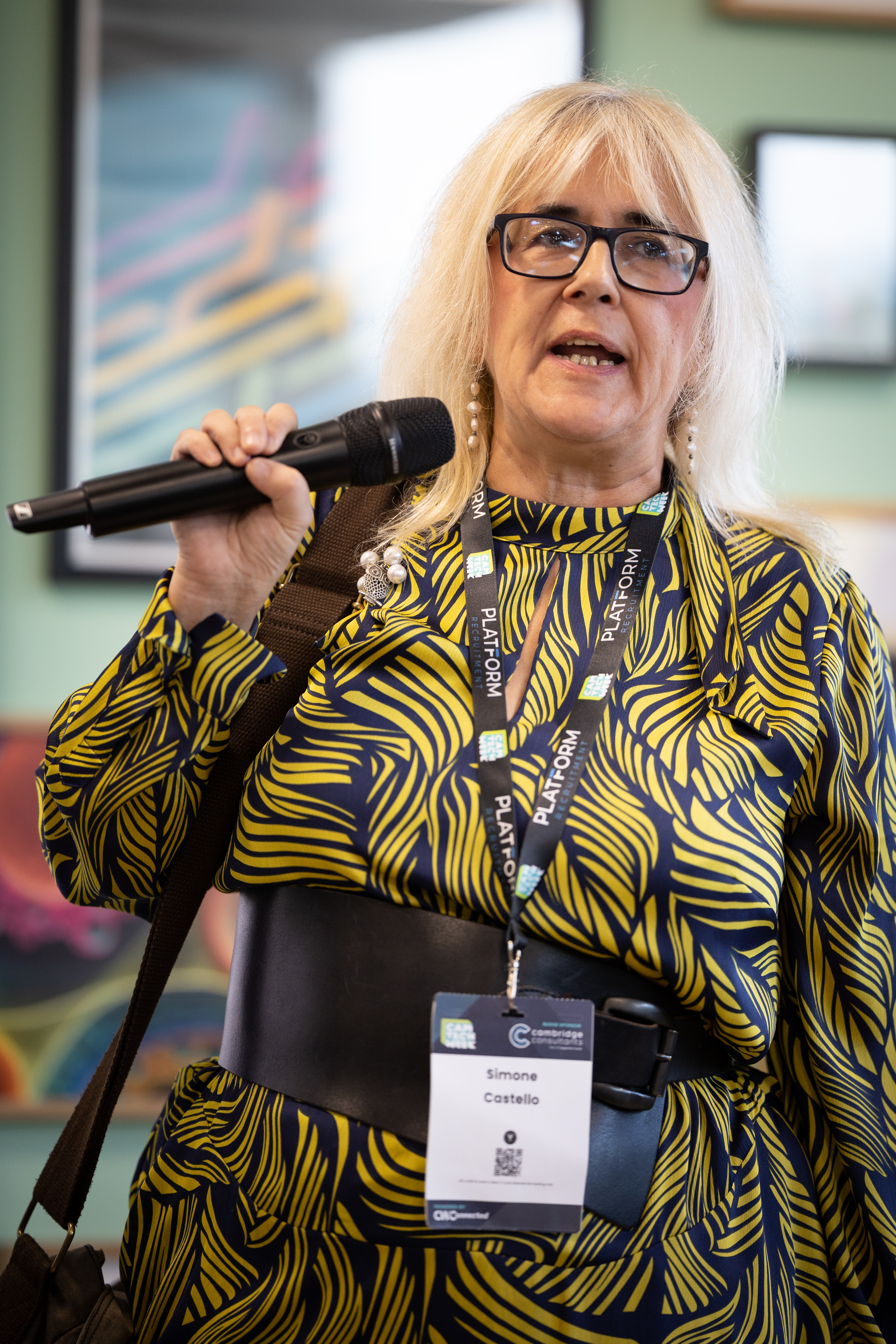
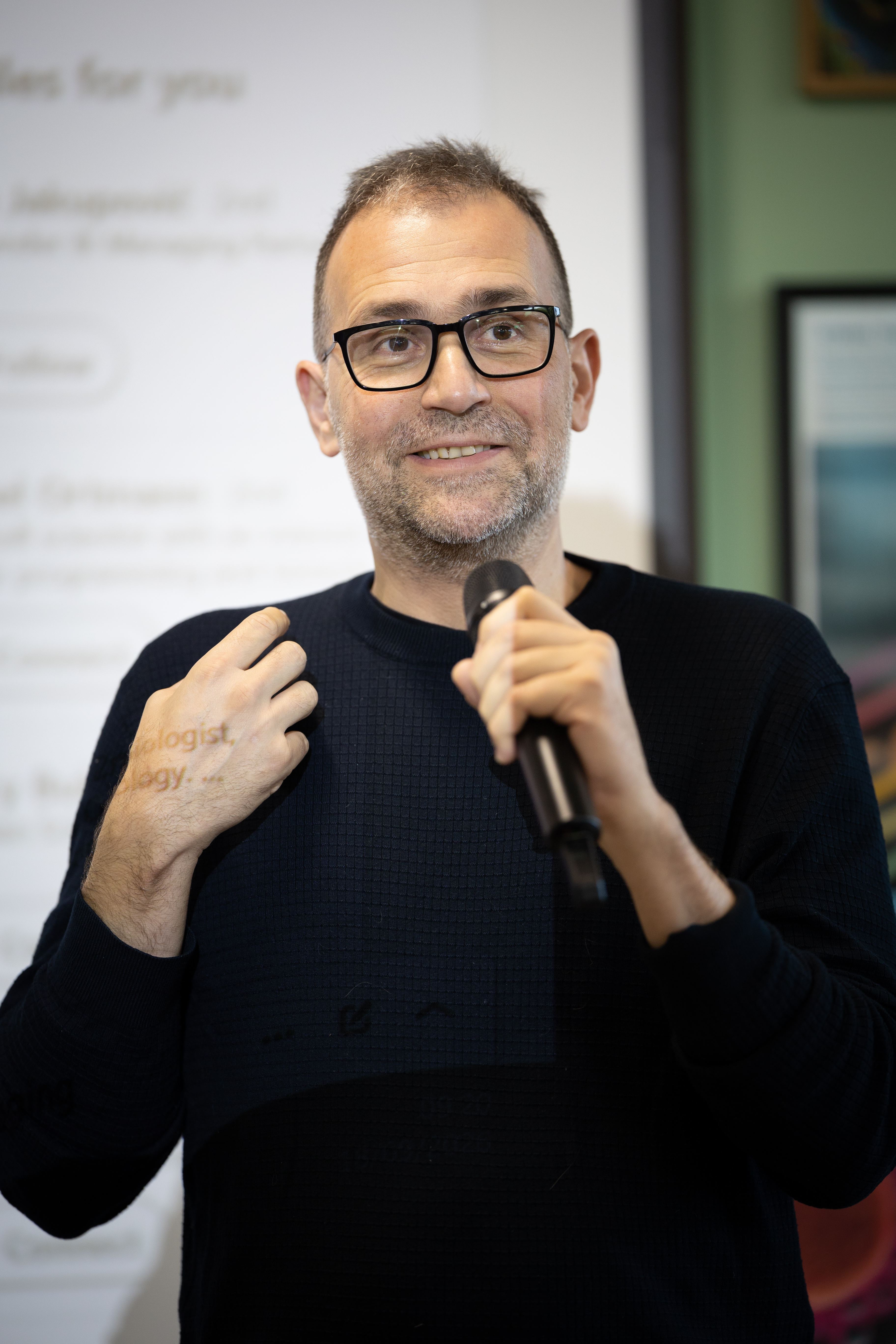
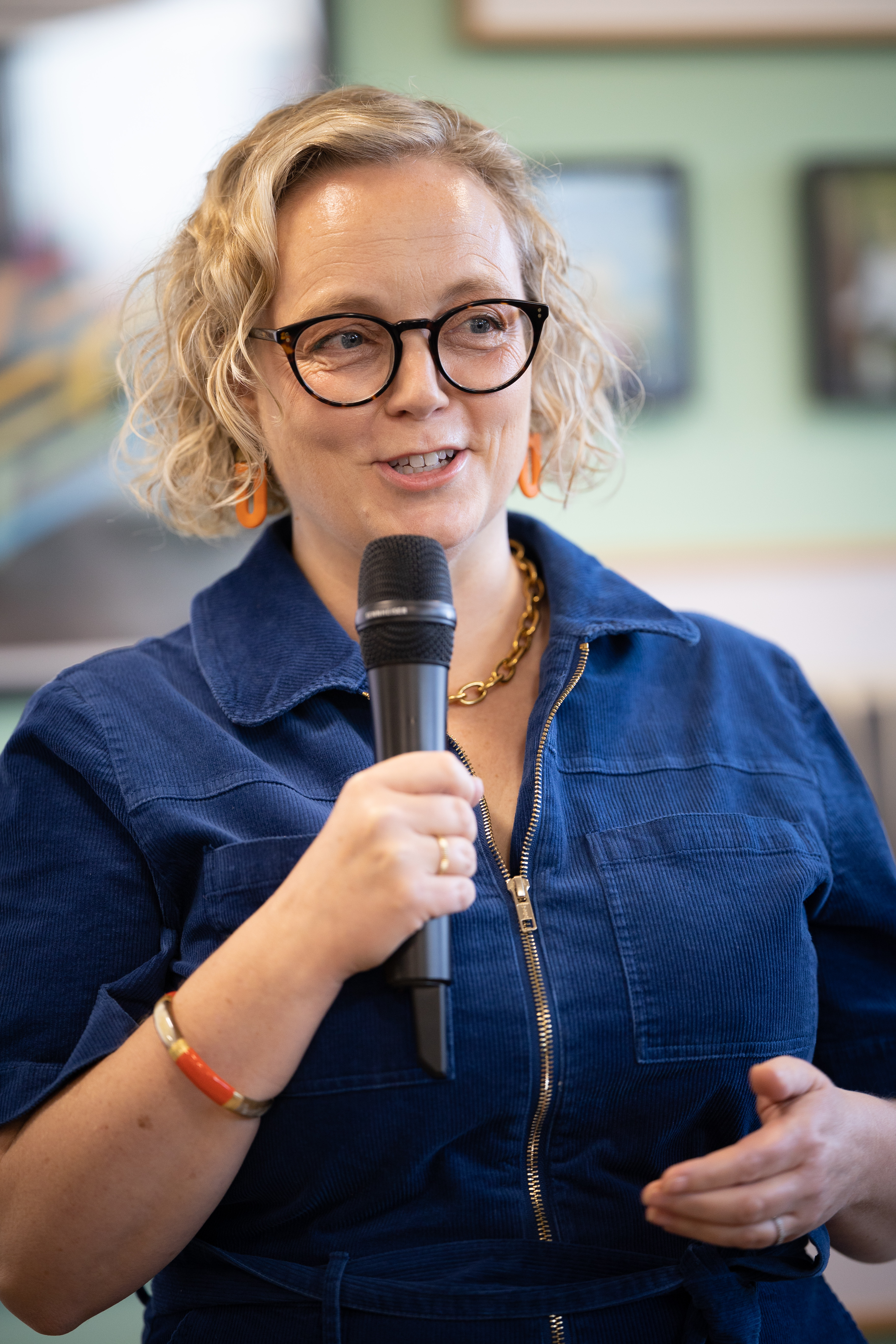
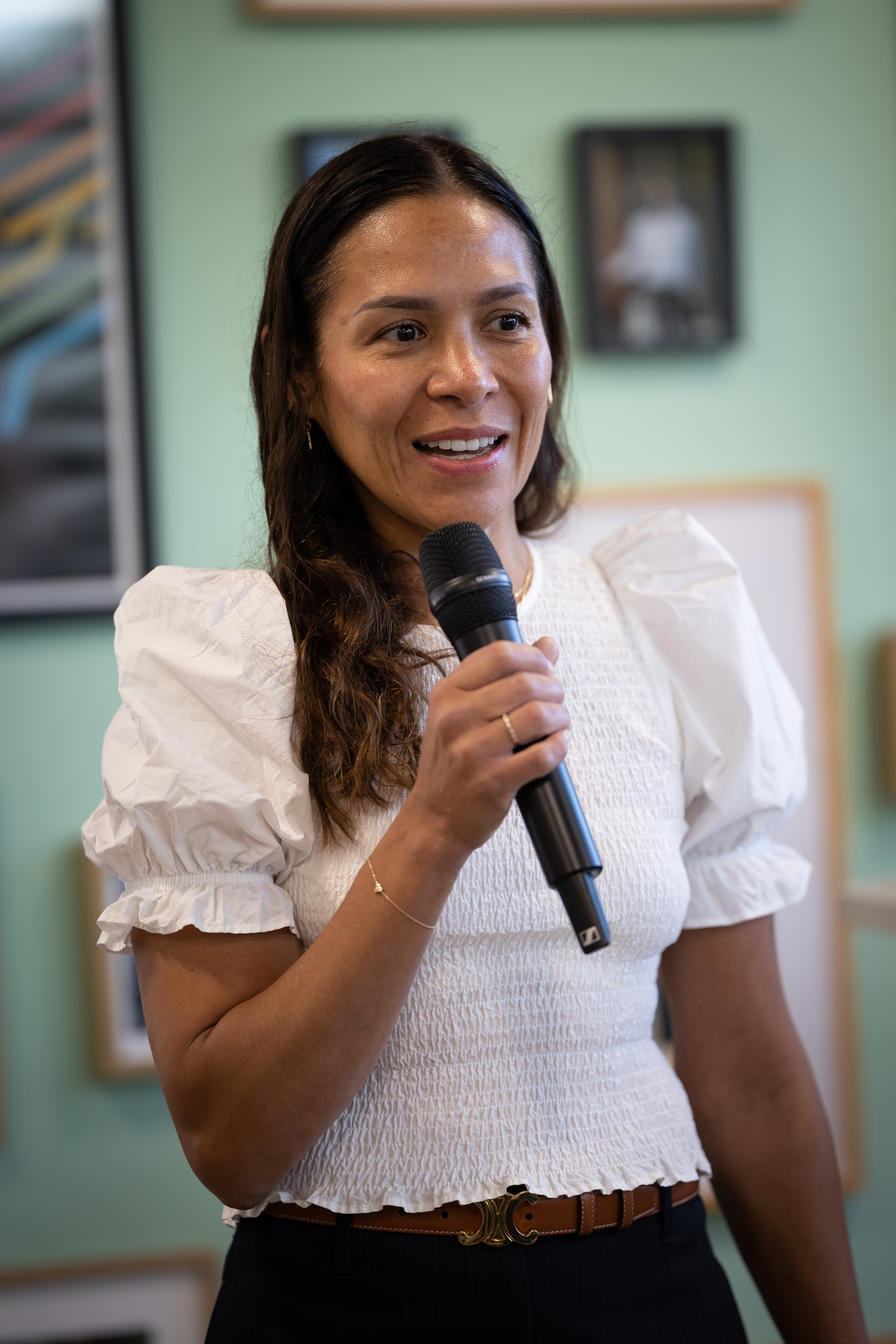
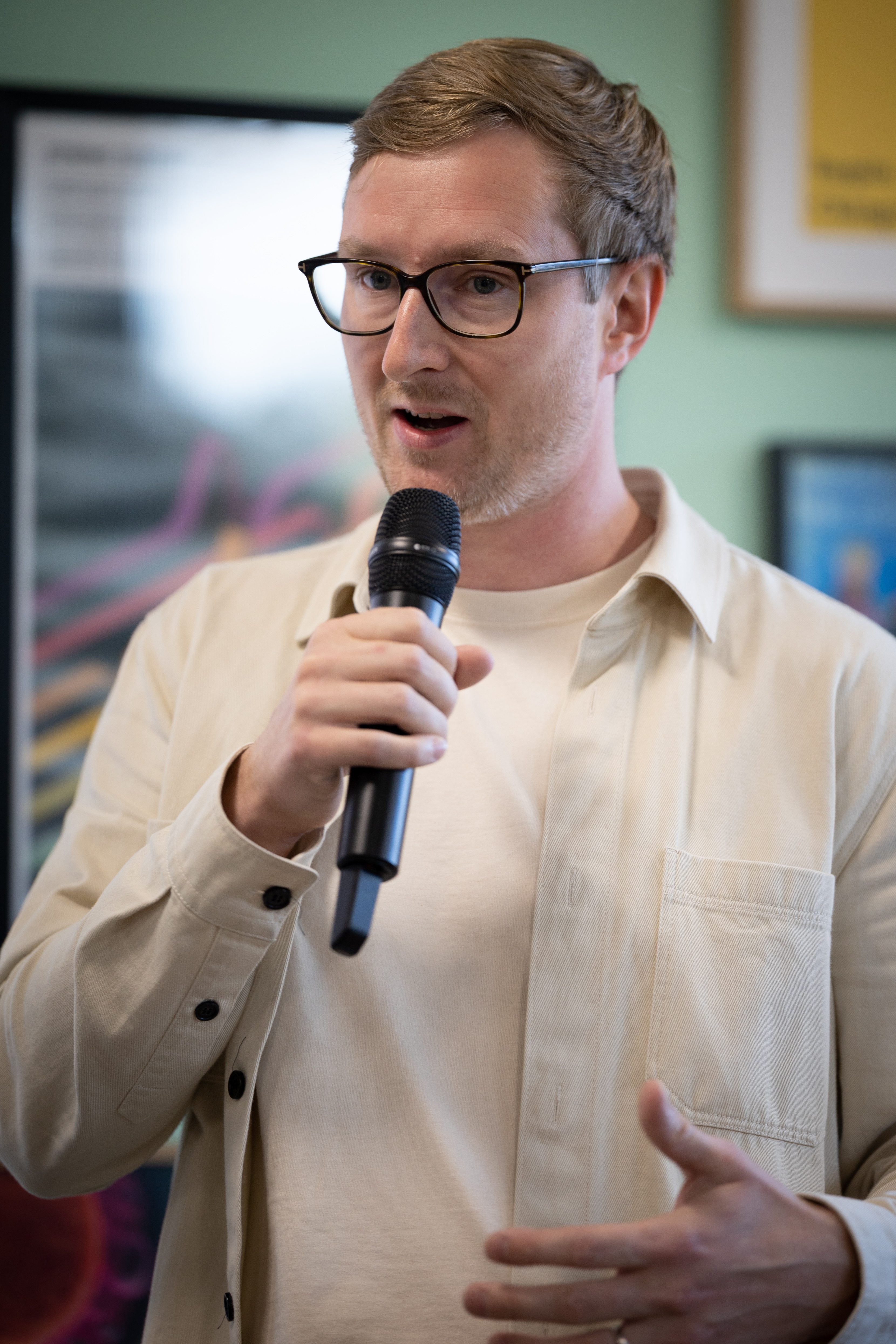
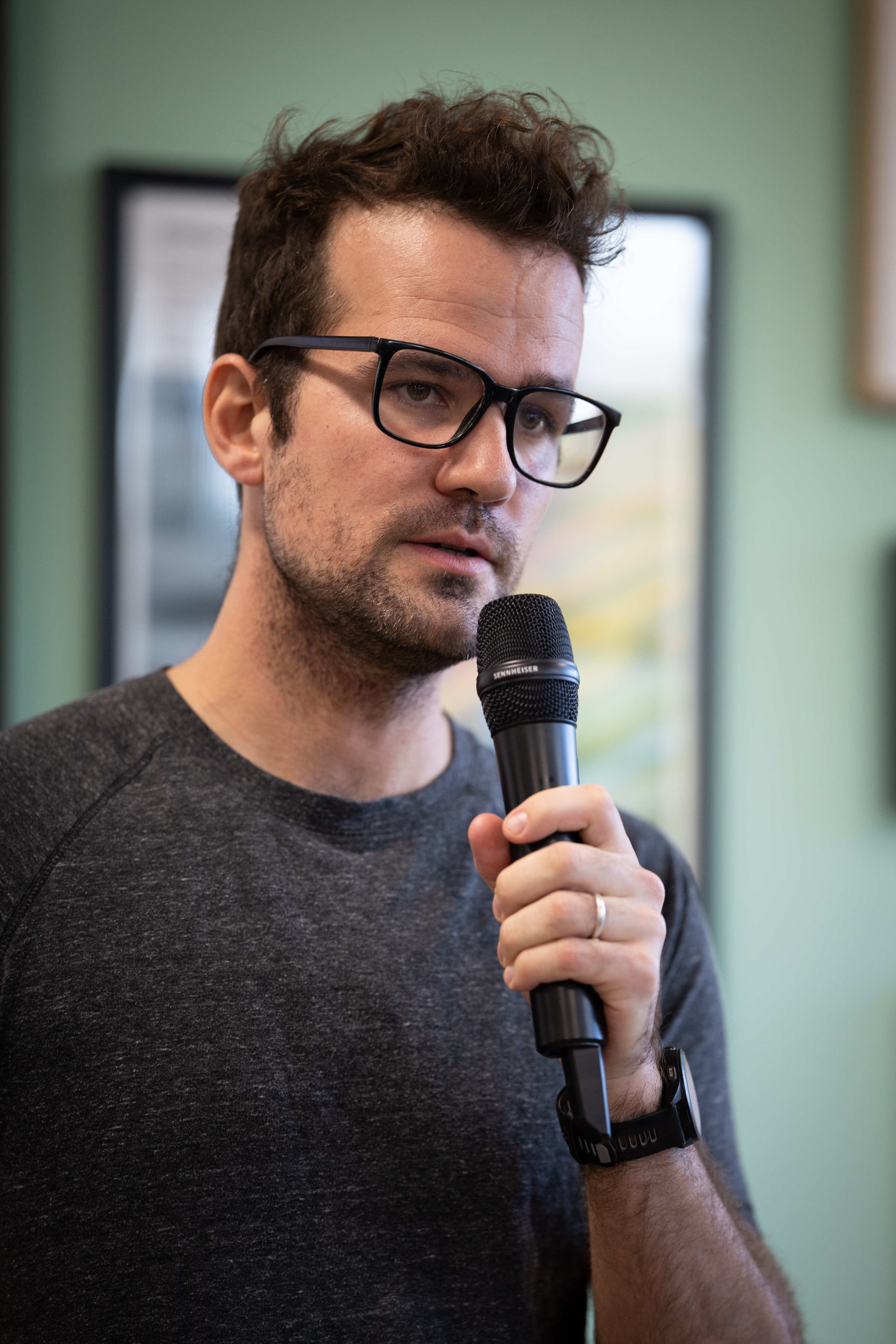
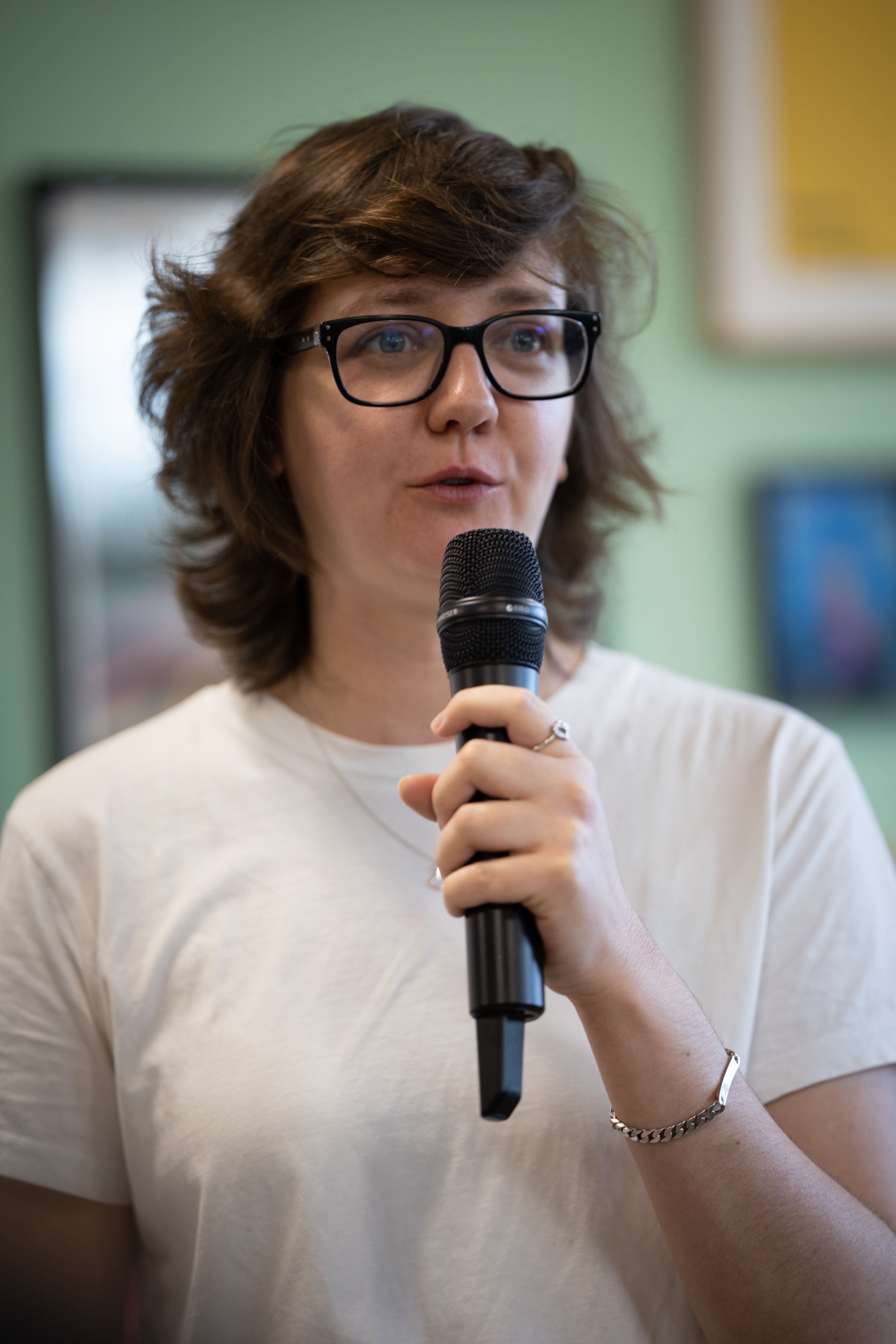
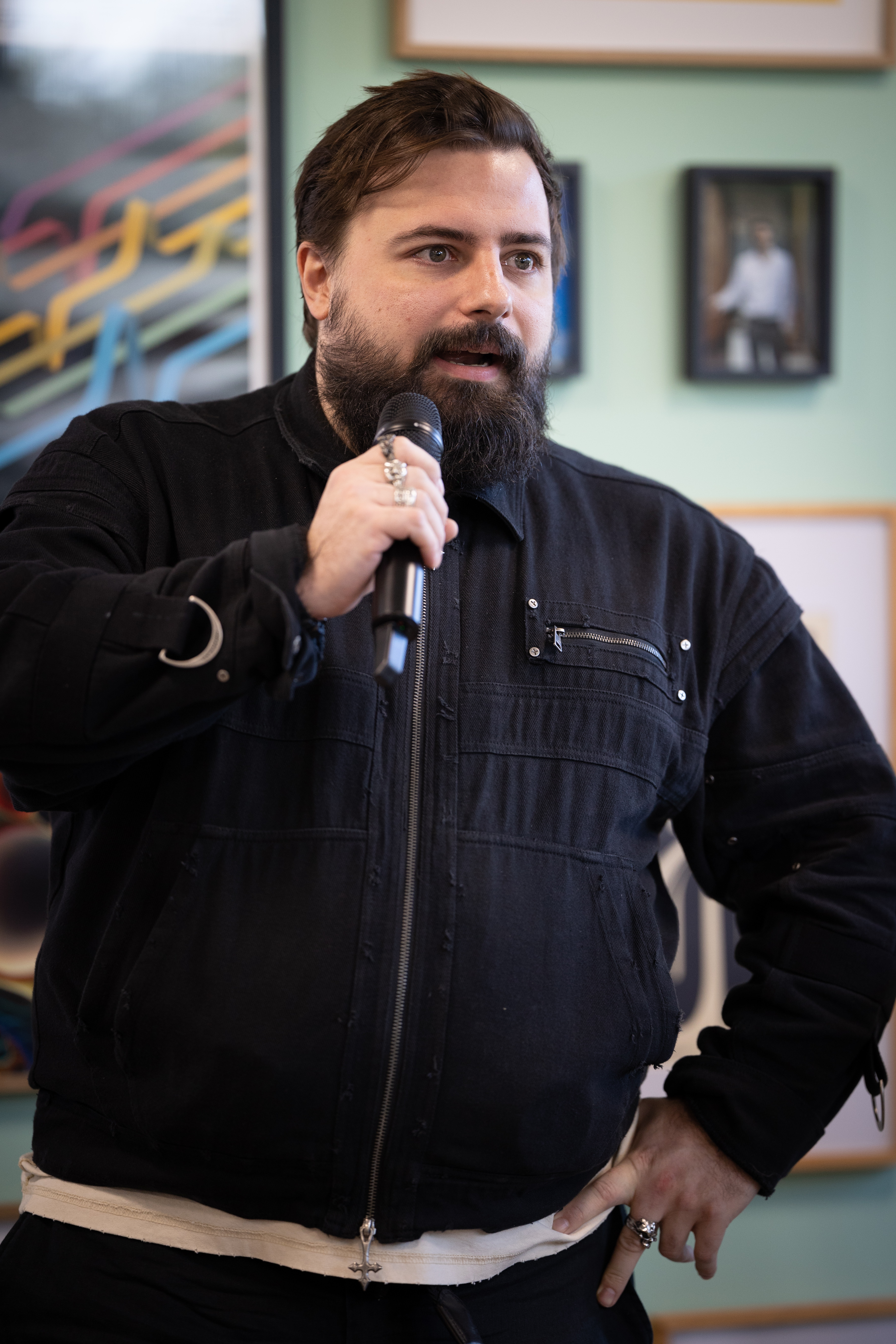
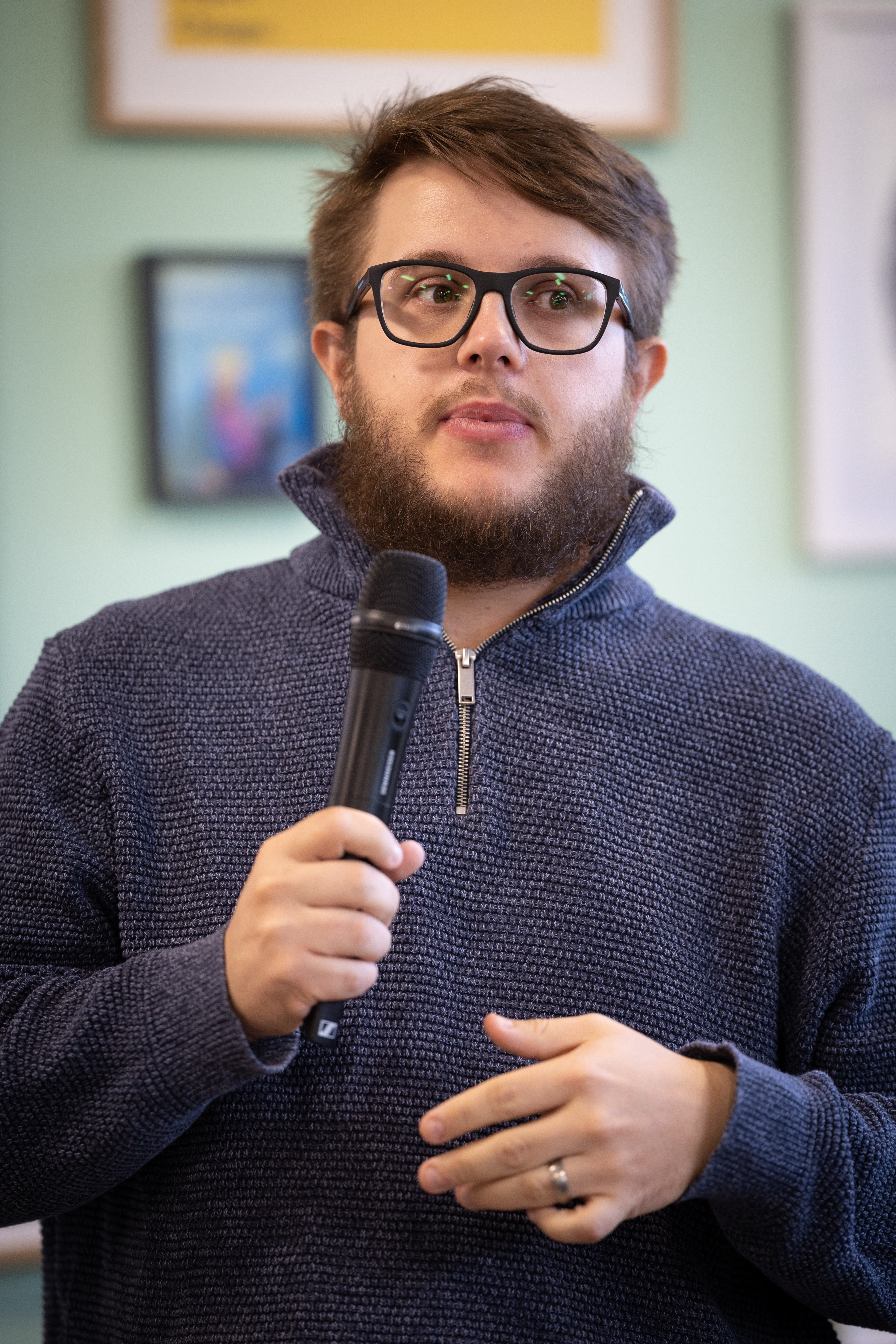
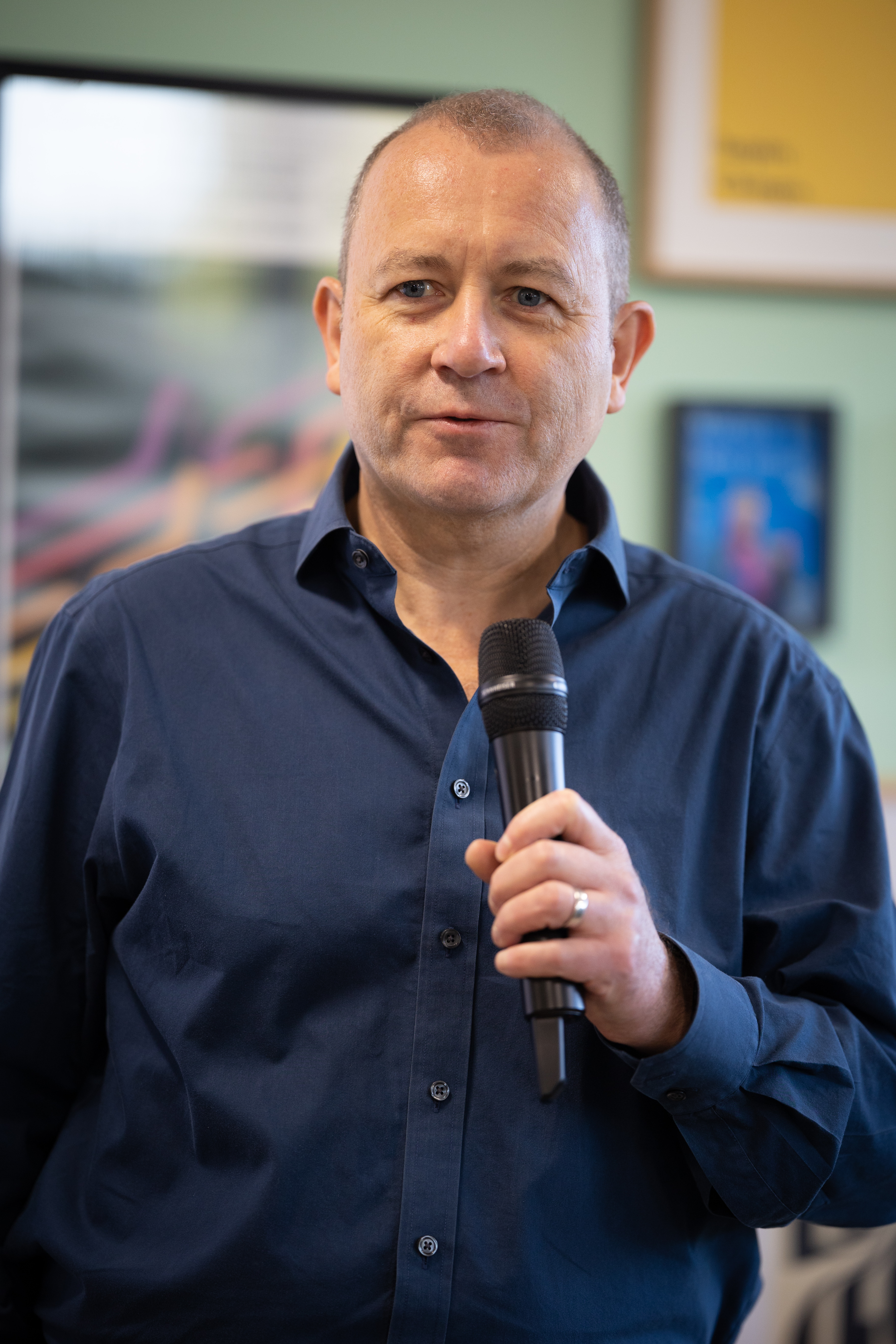
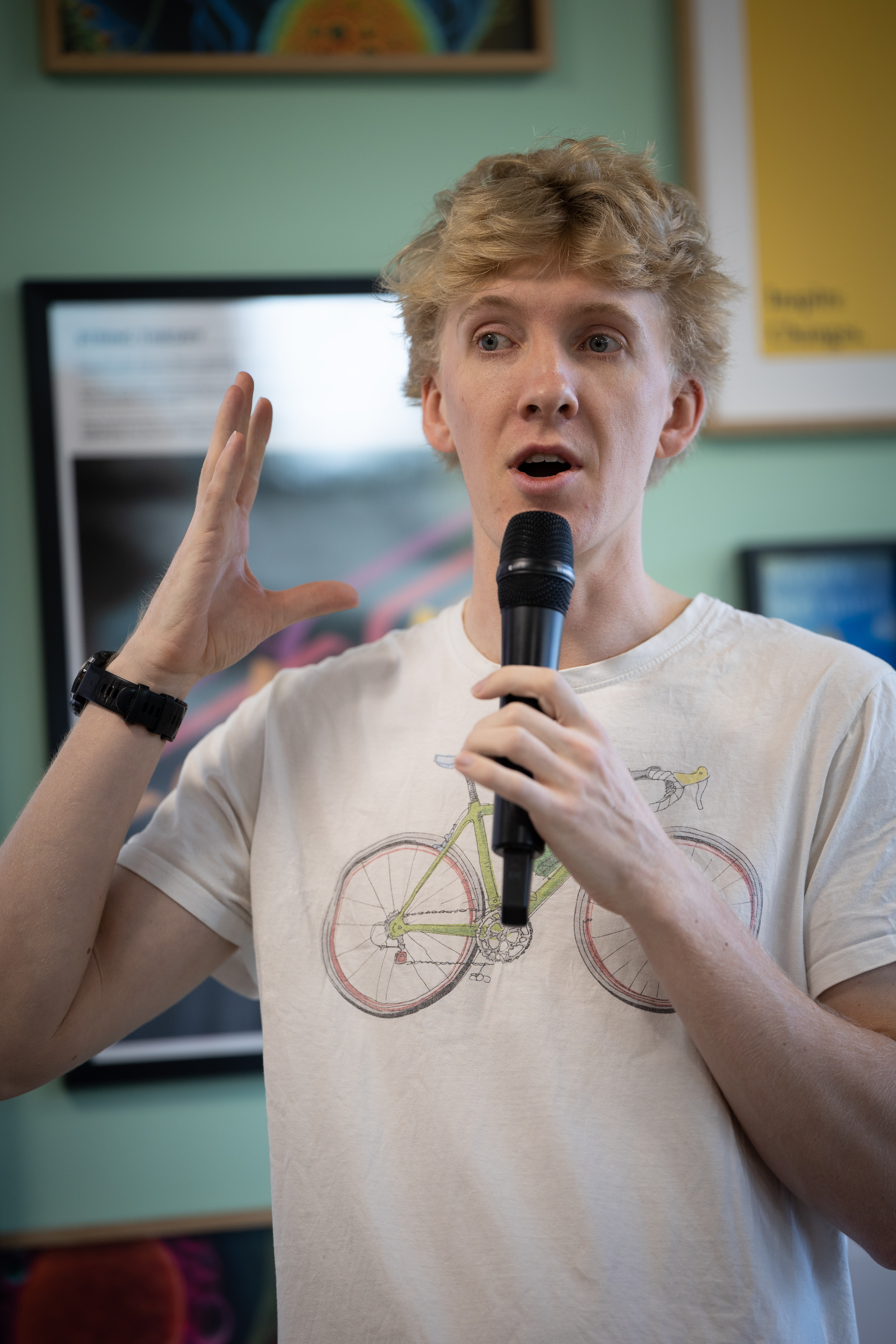
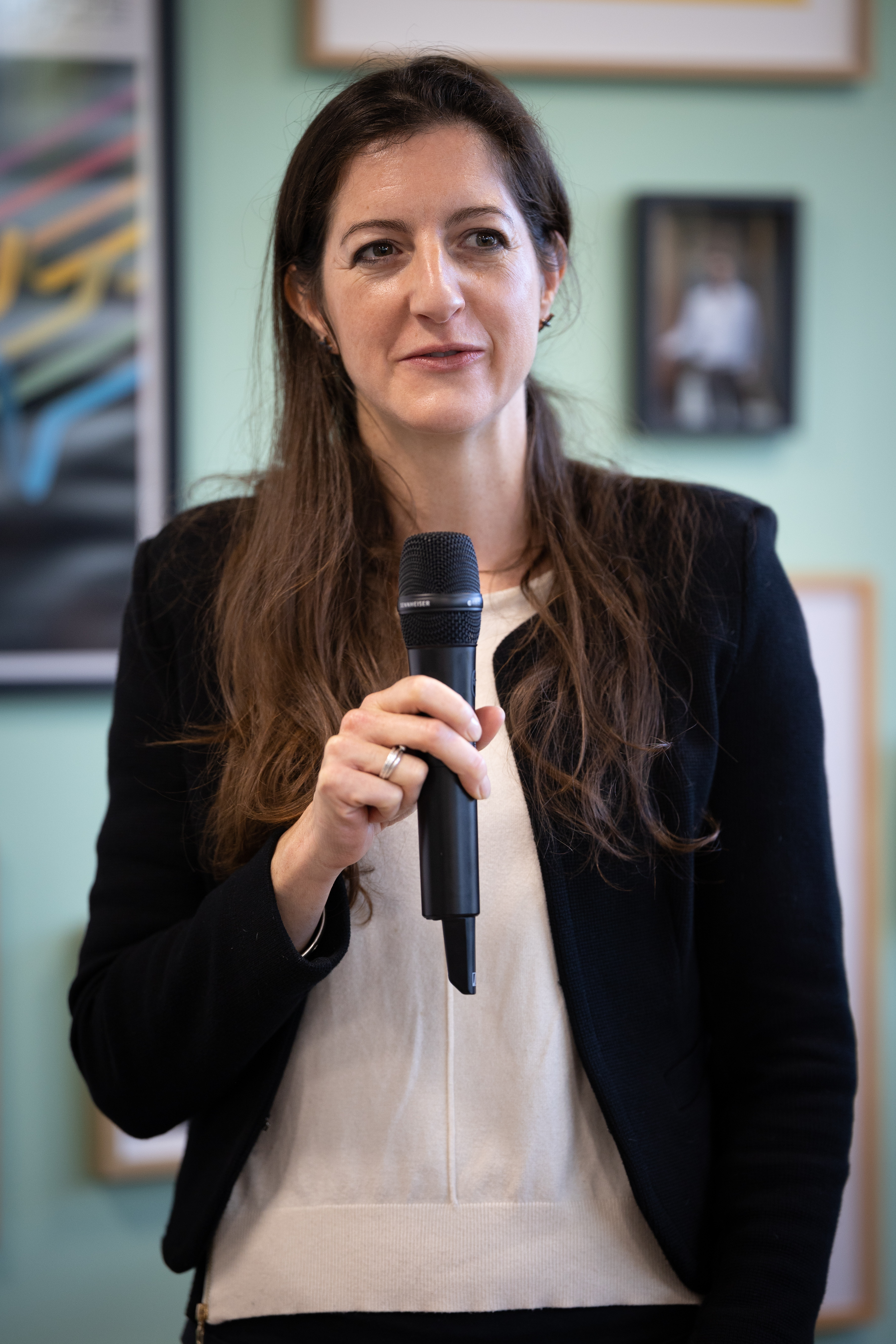
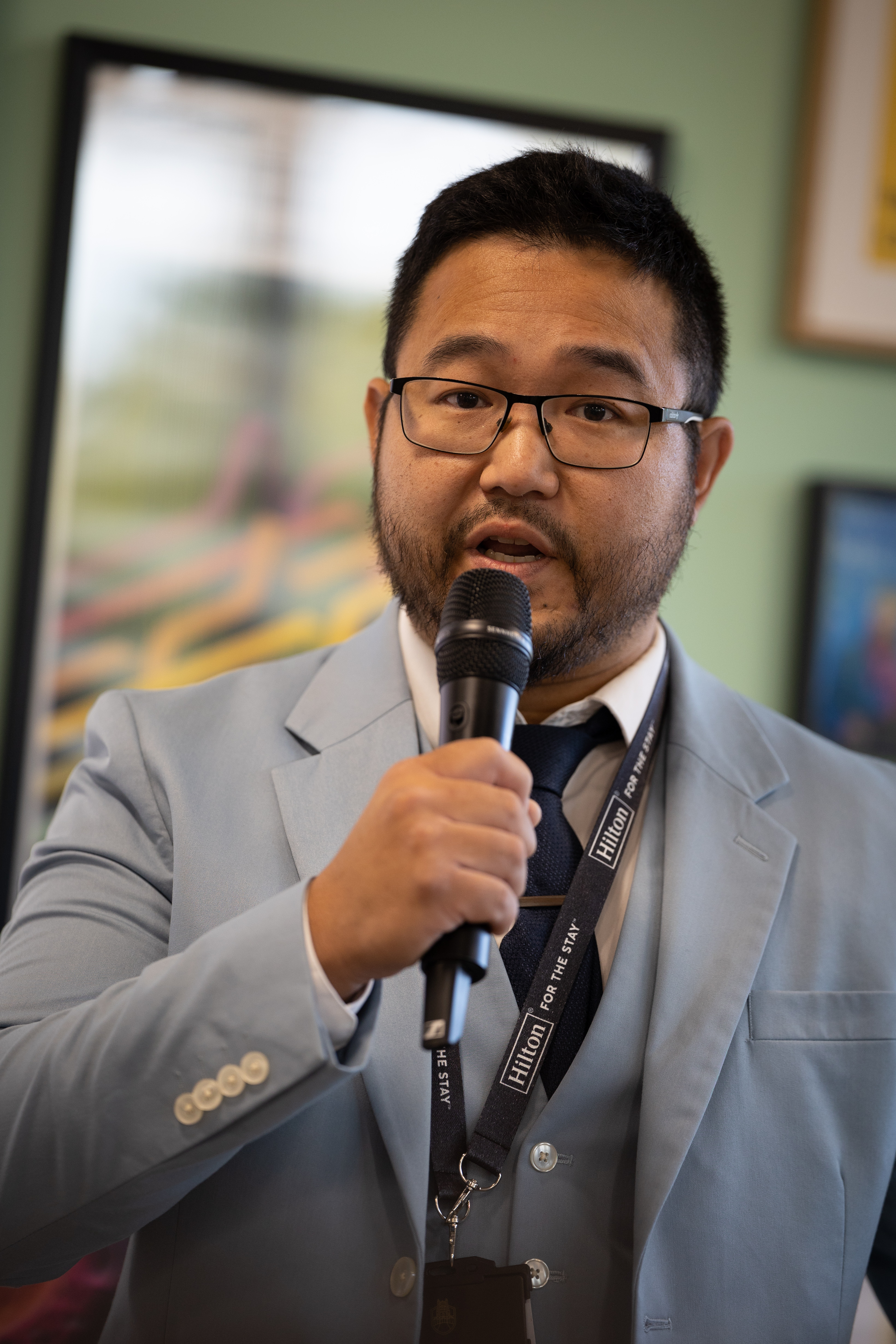
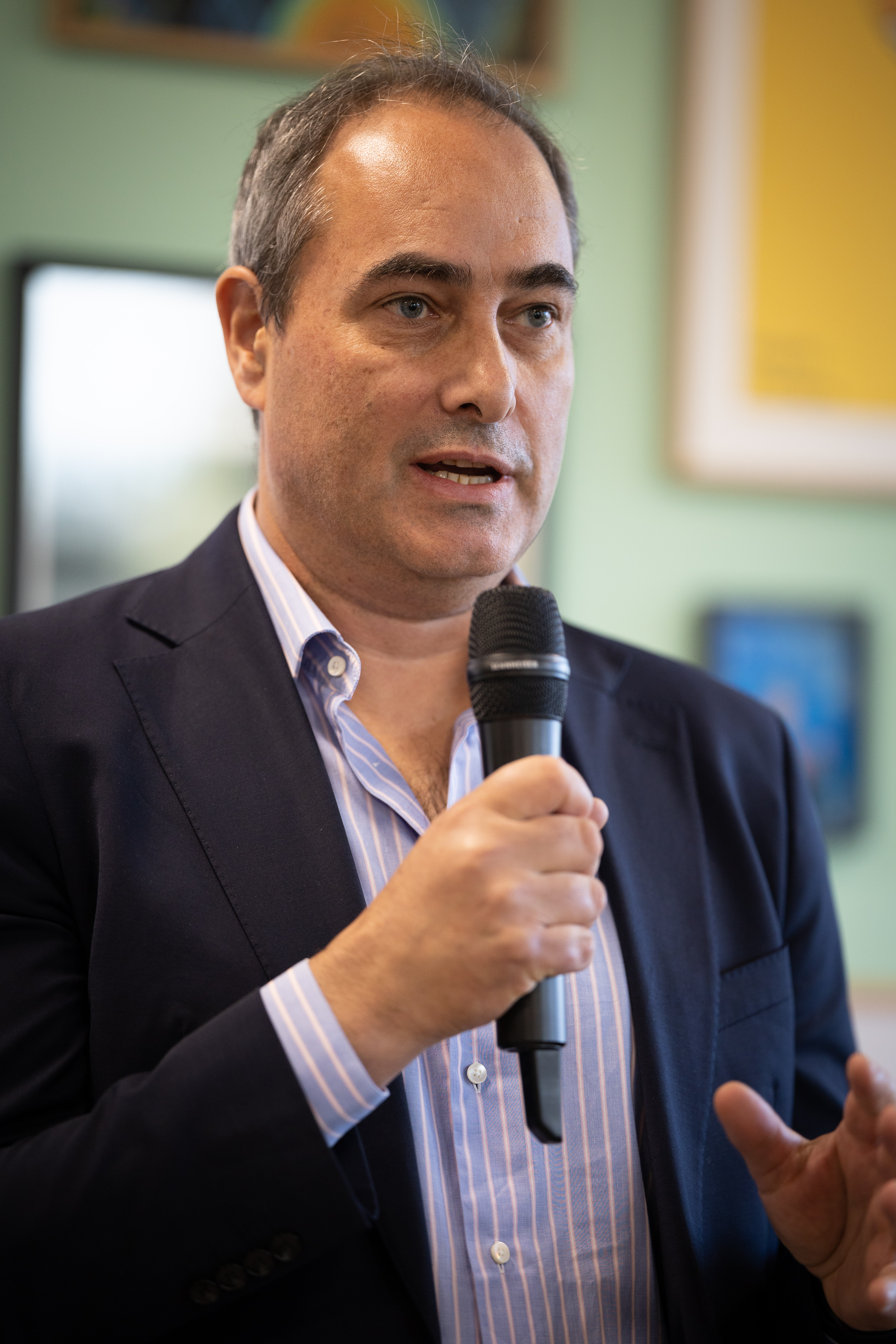
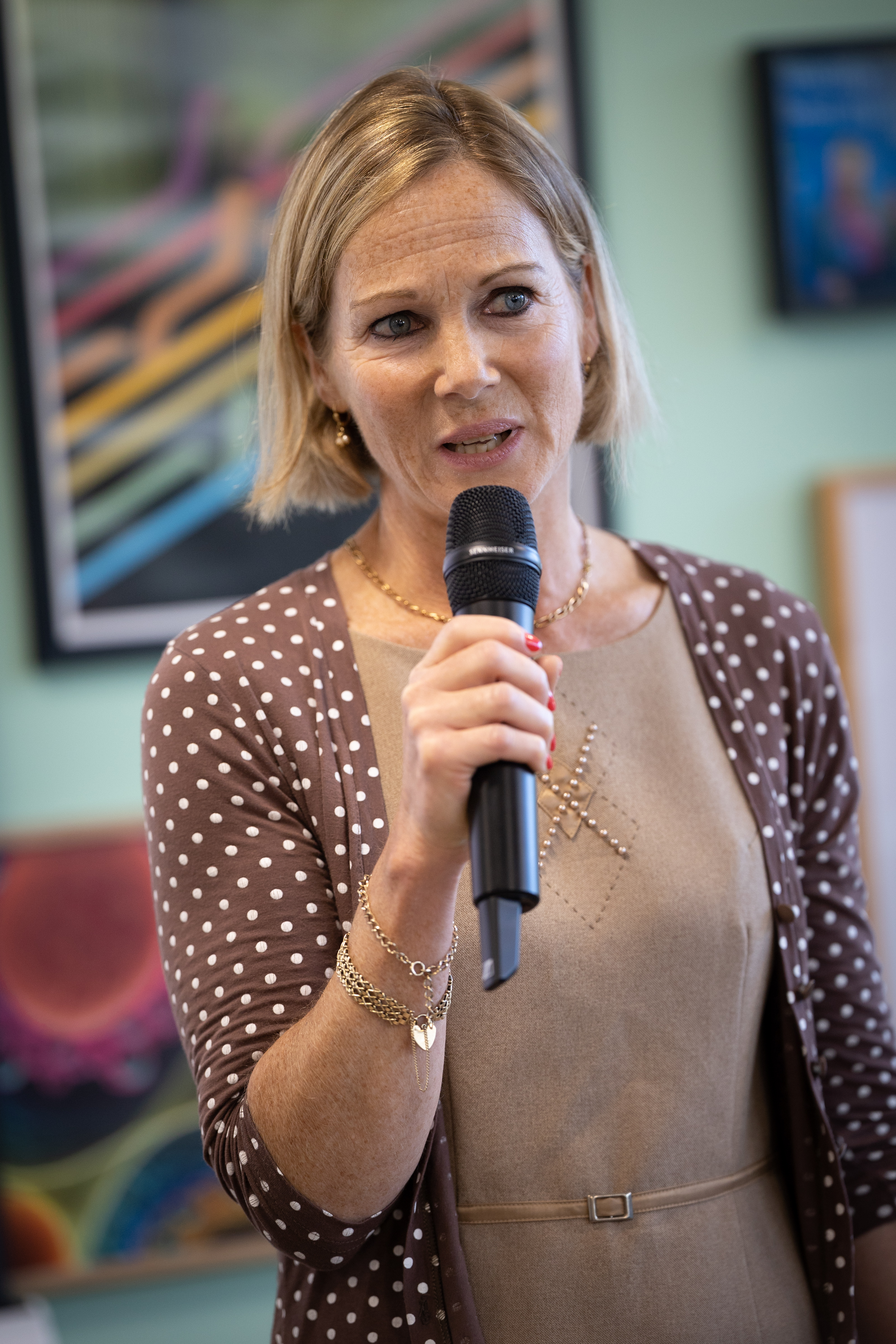
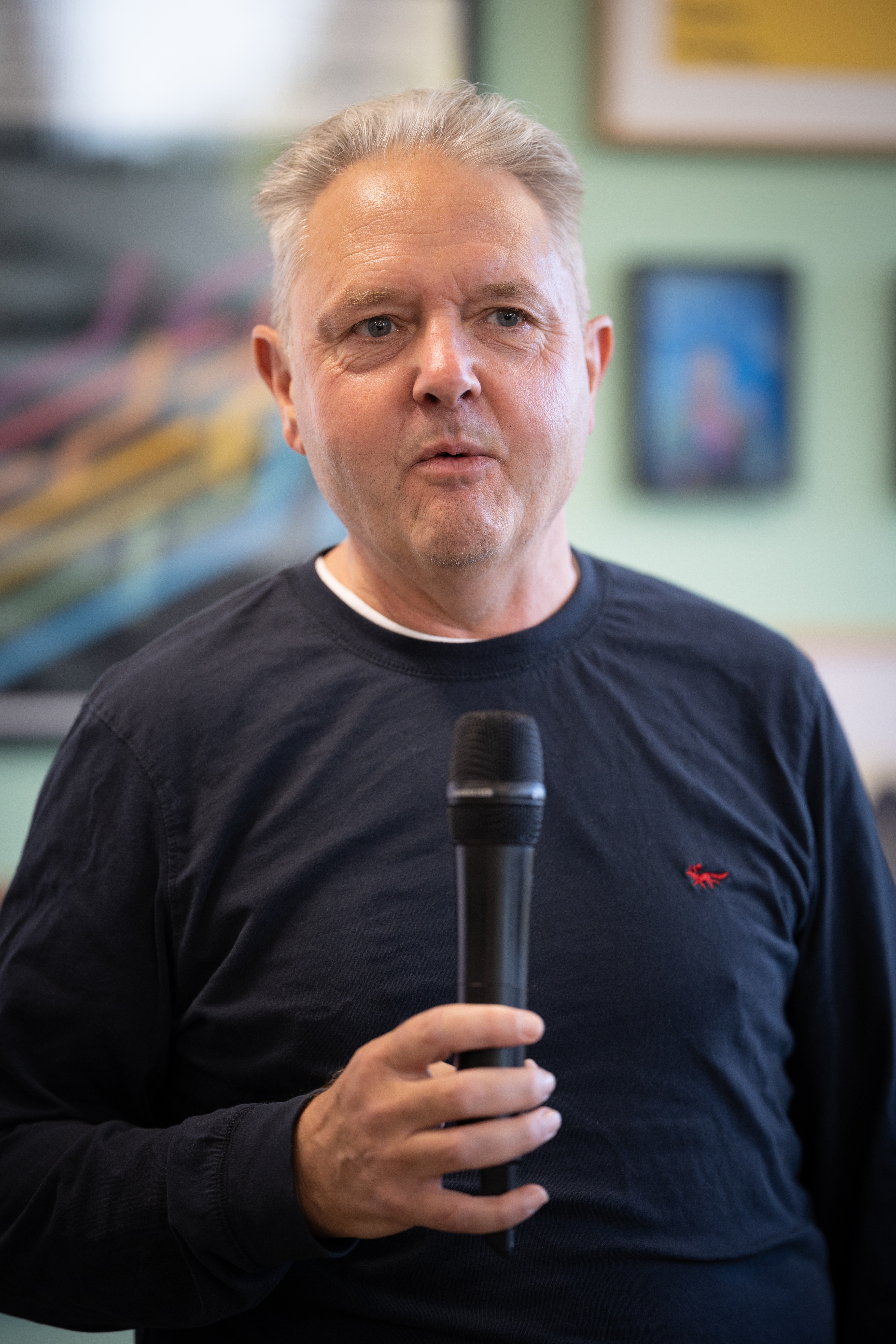
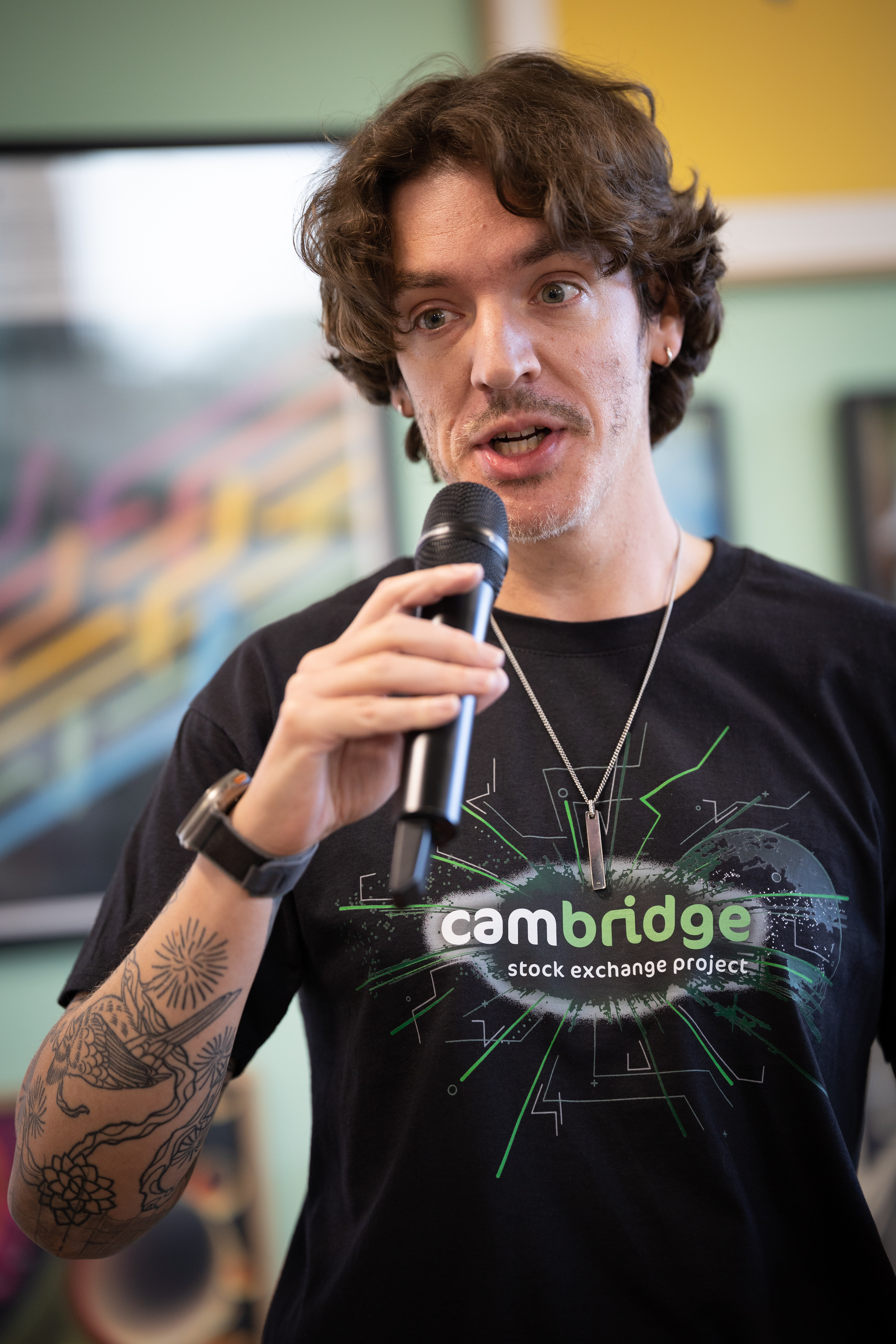
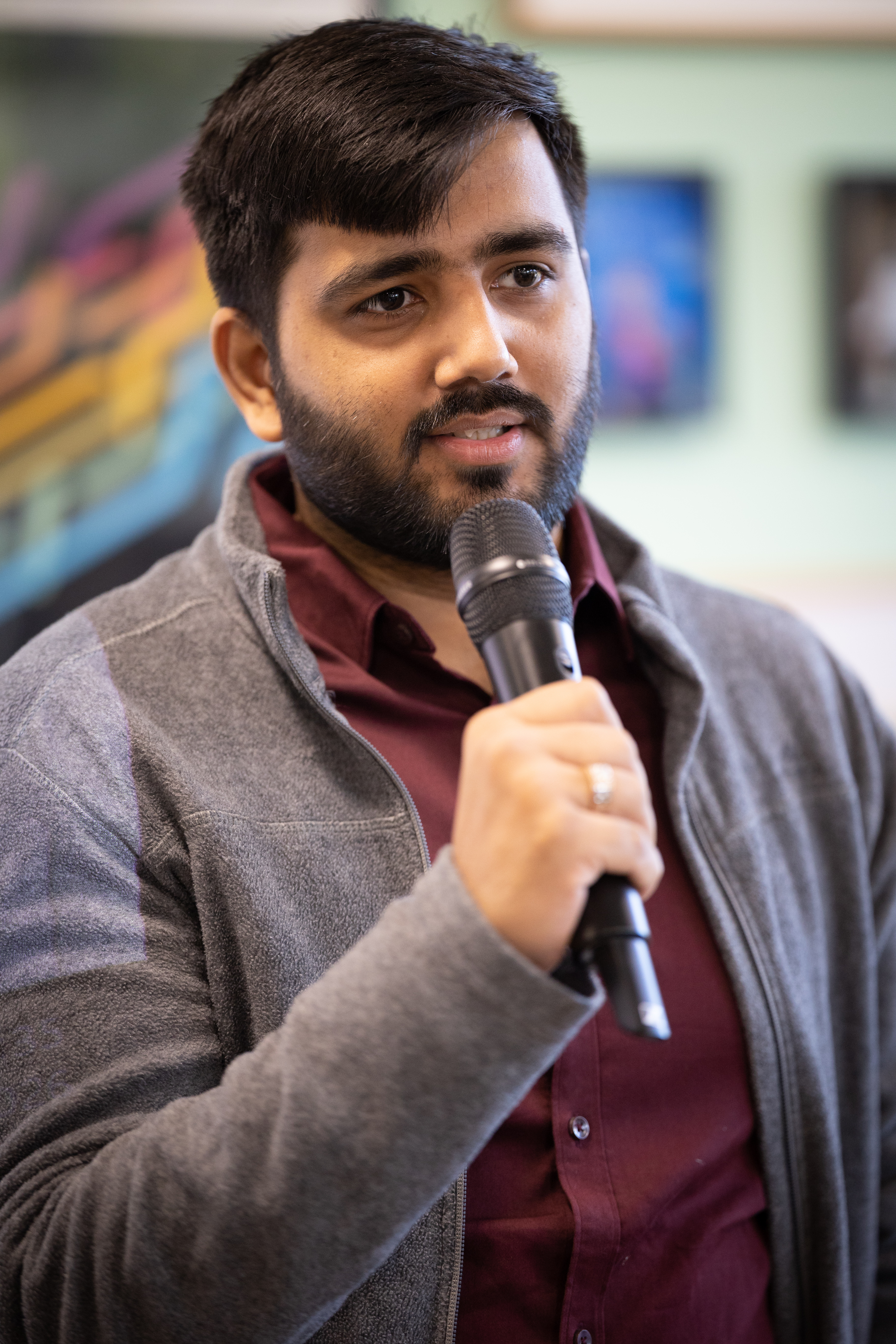
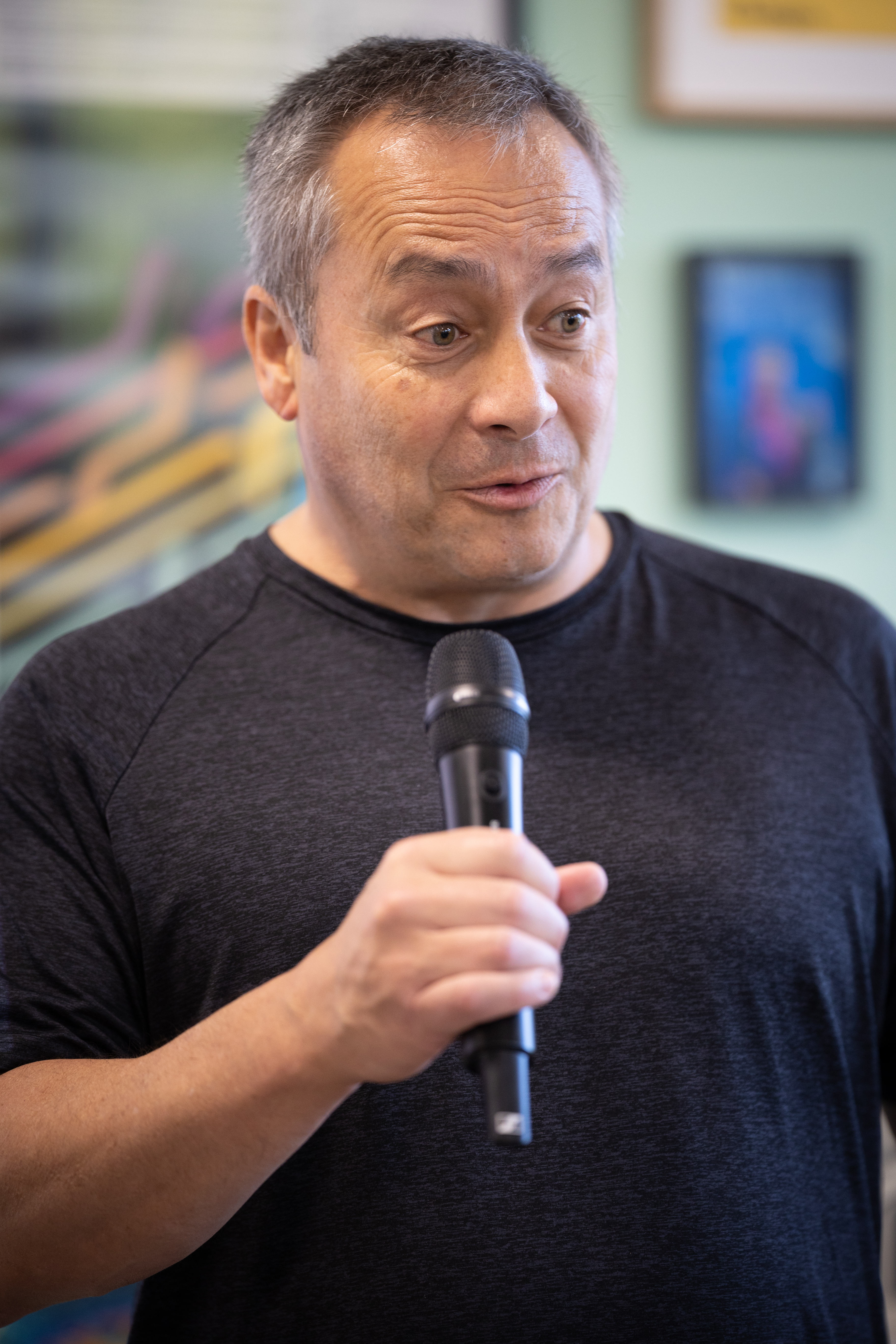
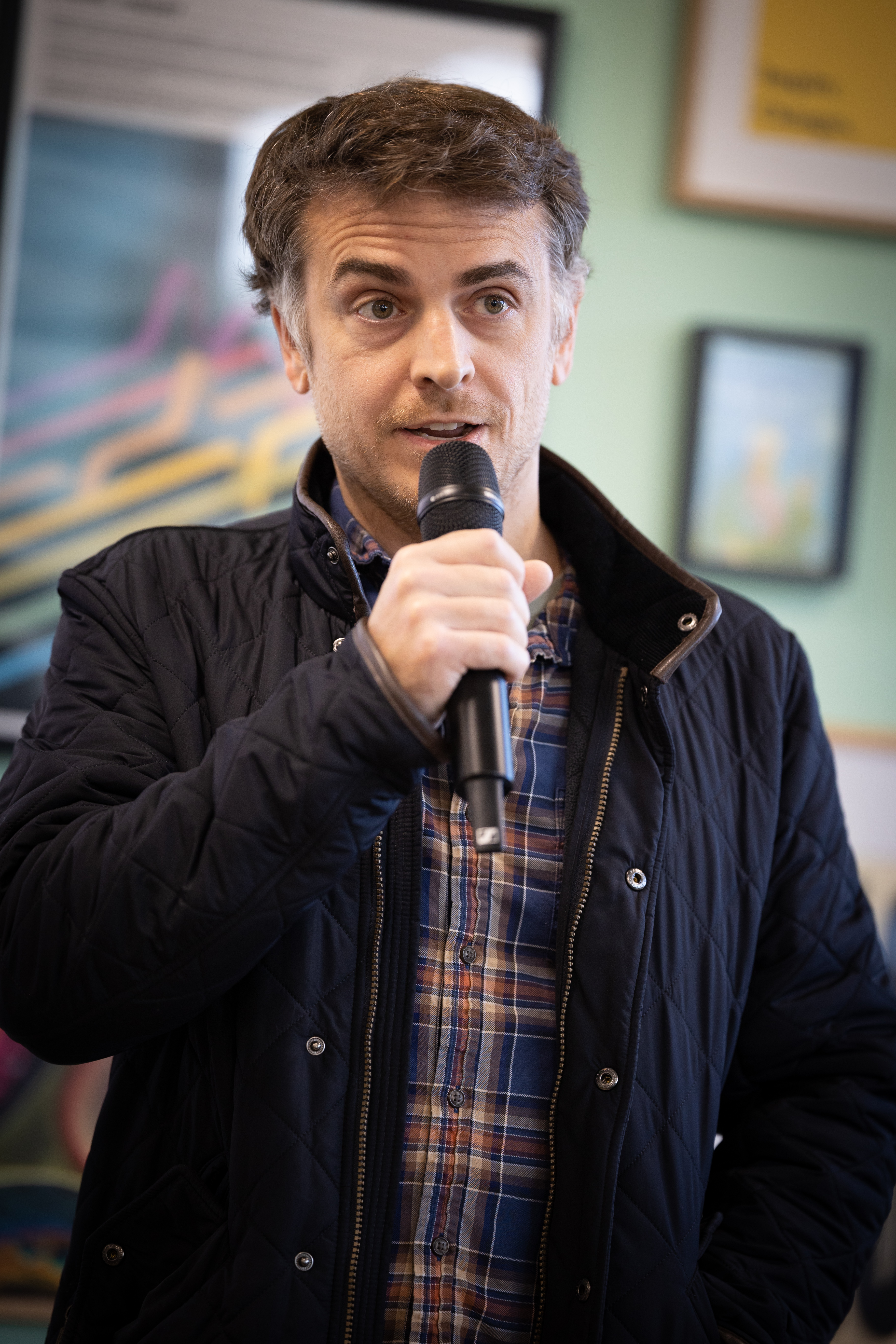
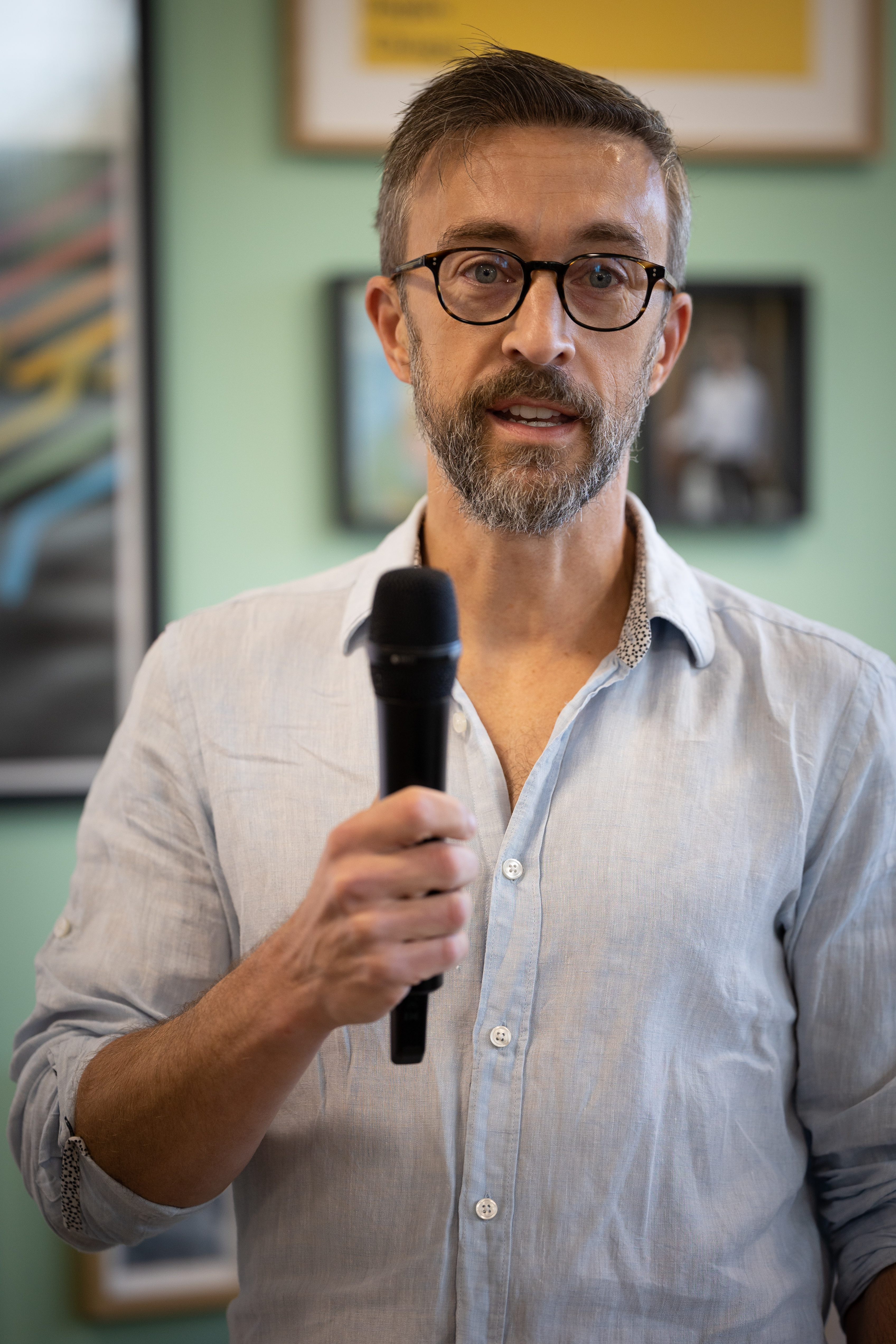
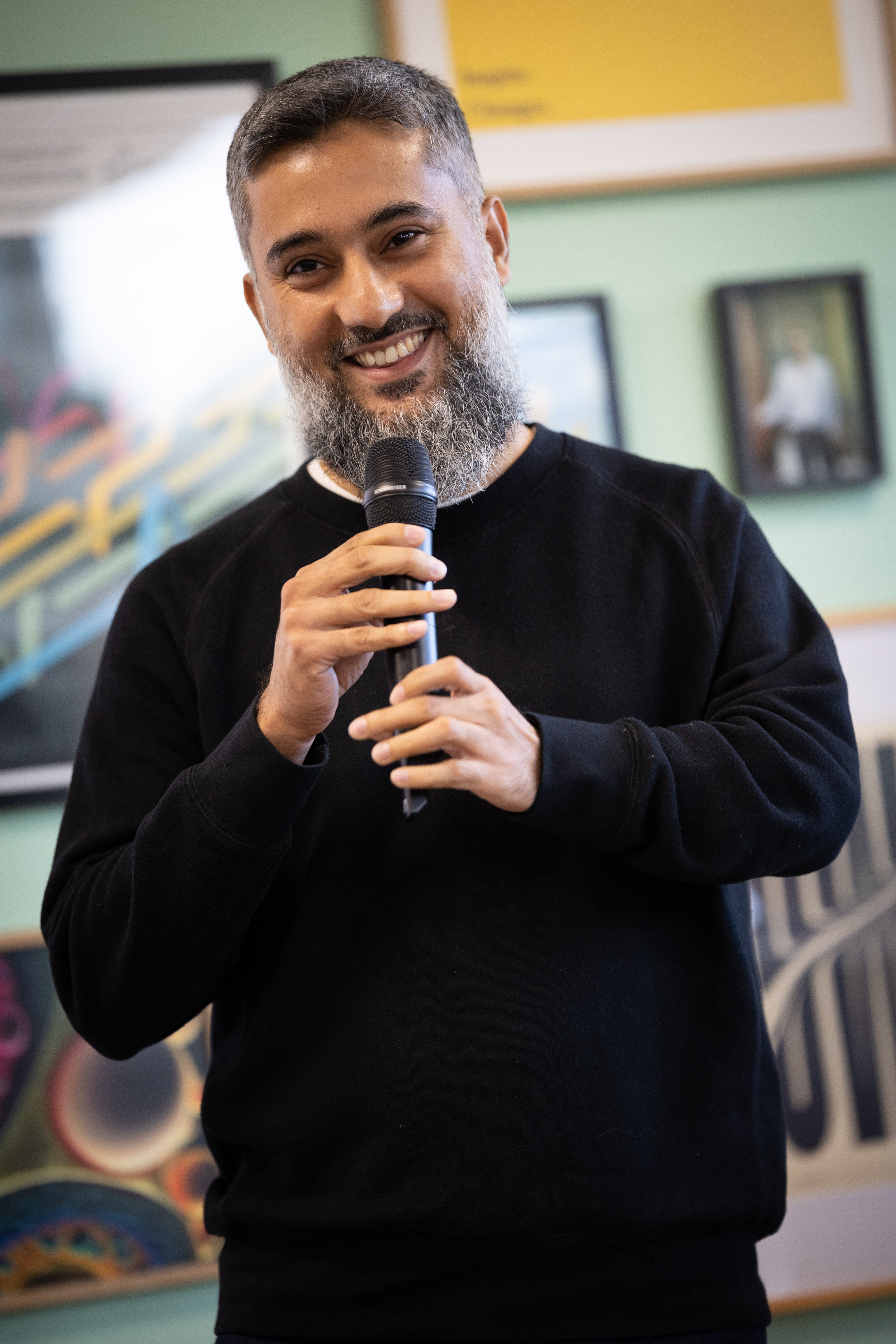
Simon Thorpe and Tim Passingham, both Manchester graduates, took turns interviewing each other. Tim described Cambridge Management Consulting as a consultancy without consultants: he founded it in 2015 between telecoms jobs, started it properly in 2018, and hires only people with real expertise in their field, now 238 of them across 26 countries, working with everyone from FTSE 100 and Fortune 500 companies to the smallest Cambridge startups. At founding he pledged 1% of his consultants' time, 1% of profit, since raised to 10%, and 1% of equity held in trust for charitable causes, and he urged the founders in the room to make the same pledge. Simon has been an angel for more than twenty years, applying what he learned in the public markets to private ones: 65 plus companies, 145 investment rounds, 14 successes and 17 failures, about a third of his portfolio run by women, and SwiftKey, sold to Microsoft, among the best known. He noted that 75 to 80 percent of Cambridge Angels members are operators who have built businesses themselves, and that if you haven't failed, you are not trying hard enough.
On the market, Simon called it tough, and tougher in life sciences than in tech: of roughly £5 billion invested in UK private companies in the first half of the year, almost a third went to three companies, concentrated in AI infrastructure. At the earliest stage he looks at the people, at whether they have something genuinely differentiated that tests the consensus, whether intellectual property can be built around it, and whether the market is big. On the Cambridge x Manchester partnership, he described a renewed confidence in Manchester, strong in cyber security, creative technology, software and e-commerce, against Cambridge's strength in generating IP and its habit of collaboration. Tim, who called himself a muggle in a world of wizards for building a service business rather than a spin-out, argued the two are complementary: service businesses learn early to sell and reach cash flow, IP businesses raise early to test and scale, and at some point those skills have to meet. To connect with Manchester, they suggested talking to Faye Holland, who runs the partnership, or simply getting on the train to meet the most similar business there.
Simon cycled Land's End to John O'Groats with his wife, 1,200 miles in 23 days, and Tim recently finished the Wainwrights, and both drew the same lesson: enjoy the journey rather than live for the exit, which Tim said is often an anticlimax. He advised preparing for life after a sale well in advance, with small angel investments or a charity trustee role to learn how a board works. In the Q&A, both warned that AI infrastructure is oversubscribed and that plenty of businesses are AI in name only, while Simon still sees the opportunities in tech and life sciences. Asked why companies fail, Simon pointed to differentiation, market size and above all the team, and Tim to the Cambridge assumption that great technology sells itself. No major business school teaches sales, he said, and early founders who want to hire a salesperson first should expect to be the salesperson themselves.