Lois Standen
Psychology graduate | First-class dissertation on trust in AI | Human-Computer Interaction & UX Research
20 November 2026 · The Glasshouse, Innovate Cambridge · 24 speakers
The November meetup at the Glasshouse, with 24 one-minute introductions and a fireside chat in which Shima Barakat of CamBAST asked SwiftKey co-founder Jon Reynolds how a frustration with phone keyboards became a product on over a billion devices. The intros were not recorded this time, so each card shows who spoke and how to connect with them.
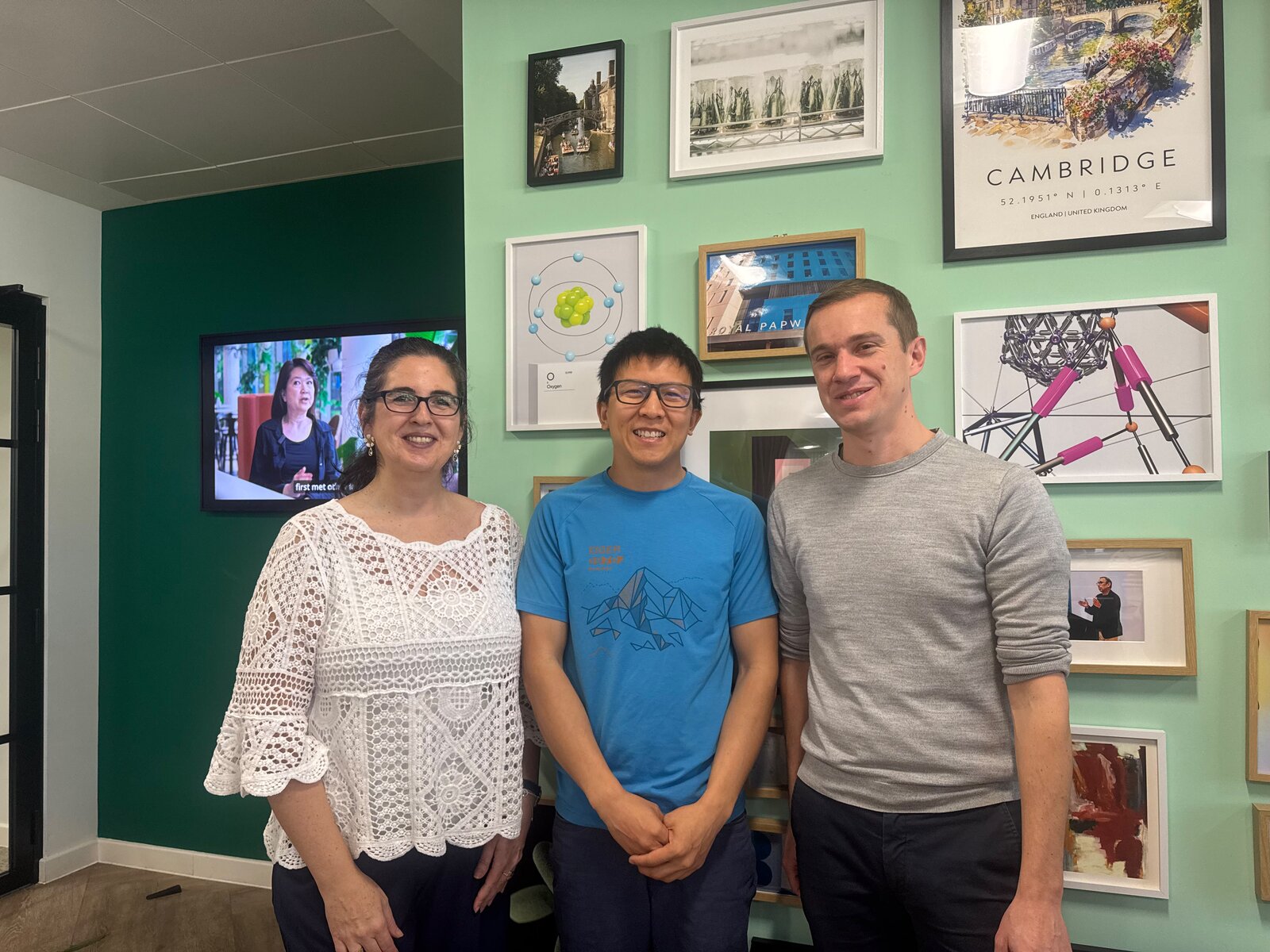
Fireside chat
Shima Barakat asked Jon Reynolds how a physics graduate turned civil servant came to co-found SwiftKey, the predictive keyboard acquired by Microsoft in 2016. Jon talked through the first customer found on the last day of a trade show, the years spent earning the trust of global phone makers, and how a culture of innovation days and personalisation led to work with Stephen Hawking, ending with what Jon would do differently on diversity.
Jon Reynolds graduated in physics from Cambridge in 2007 and joined the civil service fast stream, never intending to be an entrepreneur. In 2008, as a junior member of a team working on the financial restructuring of Eurostar and High Speed 1, Jon watched a senior lawyer struggle to type on a BlackBerry and saw that a layout designed for mechanical typewriters had been squeezed onto a tiny device just as phones were moving to glass screens. Jon mentioned the idea to Ben Medlock, a Cambridge friend who had just finished a PhD in machine learning, and Ben put a prototype together over a weekend. After about a year of trying radical layouts and gestures, they accepted that nobody would give up QWERTY, and landed on three predictions above the keyboard.
Jon left the civil service around 2010, in the middle of the financial crisis, with the option of going back if it failed. Innovate UK grants of 25K and 50K funded the early prototypes, followed by a seed round of 100K to 200K. On a UK trade stand at Mobile World Congress, the team pitched around 50 manufacturers without success until, on the last day, a small phone company based in Battersea became their first partner in a 50K deal. Over the following years that grew into partnerships with Motorola, Samsung, Huawei, Xiaomi and BlackBerry. SwiftKey was also among the top paid apps on Android, but few people paid for apps at the time, so the company went free to build volume. Microsoft acquired it in 2016, and Jon said it is now on over a billion devices.
Asked for highs and lows, Jon said they were often the same moments. Winning Samsung took around three years of quarterly meetings, with a new bar to clear each time, from 11 languages to 70 and then a smaller memory footprint. Constant global travel was hard, and Jon spent three years in the US setting up a Silicon Valley office. Looking back, Jon sees keeping sales and marketing there while the technical team stayed in the UK as a possible mistake, because the people hearing from customers every day and the people building the product were having very different experiences, which made a shared culture harder to maintain.
Asked how it felt to grow from startup to scale-up, Jon described about ten years that were intense but rewarding. From the start the predictions were markedly more accurate than anything on the market, so the company was following real demand, and there were few big strategic debates. The founding team briefly had a third member, a school friend with a talent for interface design, who left within weeks; they bought out the shares, and the money went on a BMX bike.
On culture, the focus was on hiring exceptional people and keeping the bar high. The first hire, Paul Butcher, joined on condition that engineering stayed in one place. To keep up with far larger rivals such as Google and Apple, an early employee proposed a monthly innovation day when anyone could work on anything. Not every project reached the product, but it helped retention, and it produced SwiftKey Symbols, built by a developer whose brother has autism to help people communicate through visual cues. One team built an escape room every time and later used their exit proceeds to start an escape room business. Because the technology learned from each user, SwiftKey worked with Intel to improve Stephen Hawking's communication system, roughly doubling his typing speed.
Jon has just spent a year back at Cambridge on the Better Futures programme, which gives mid-career people a year to study with a focus on social impact, alongside a cohort working on projects such as a digital archive of the war in Ukraine and AI enablement in Nigeria. Reflecting on leadership, Jon urged early founders to be intentional about the company they build, and named gender diversity as something SwiftKey got wrong: hiring from their own networks left the early team, management and board mostly male, and it took a meeting on maternity policy, where Jon was the only man among six people, to show how routine the reverse experience was for the women on the team. As an investor, Jon sees the same structural barriers persisting, changing only slowly.
Psychology graduate | First-class dissertation on trust in AI | Human-Computer Interaction & UX Research
Director at Xelerate Learning
I build Engineering Hubs in Cambridge, UK to ensure you meet your business objectives | Fractional Engineering Leader (VP/CTO)
MBA Candidate @ Cambridge Judge Business School | Ex-BNP Paribas
Got a Team but Still Doing Everything? | Helping Business Owners Get More From Their People, Improve Profit & Get Their Time Back
Preclinical and Translational Scientist | Tissue Based Biomarkers | ML and Data Science
Co-Founder at La-ee
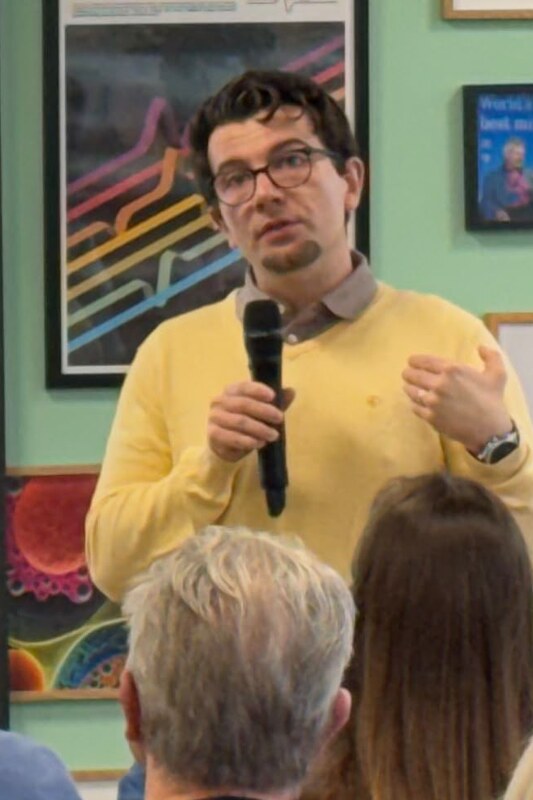
Scientific Advisor & Senior Territory Manager | Team Lead UK & Nordics | Driving Business Development & Key Account Growth in Europe's Largest Biotech Cluster | Cell & Gene Therapy Specialist
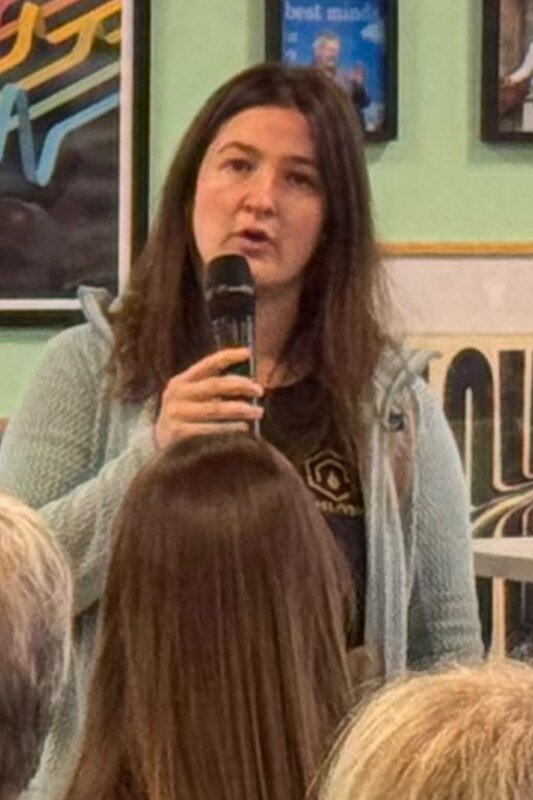
Co-Founder, building trust infrastructure for AI | Co-inventor of CoverDrop (The Guardian) | PhD, University of Cambridge | ex Bell Labs
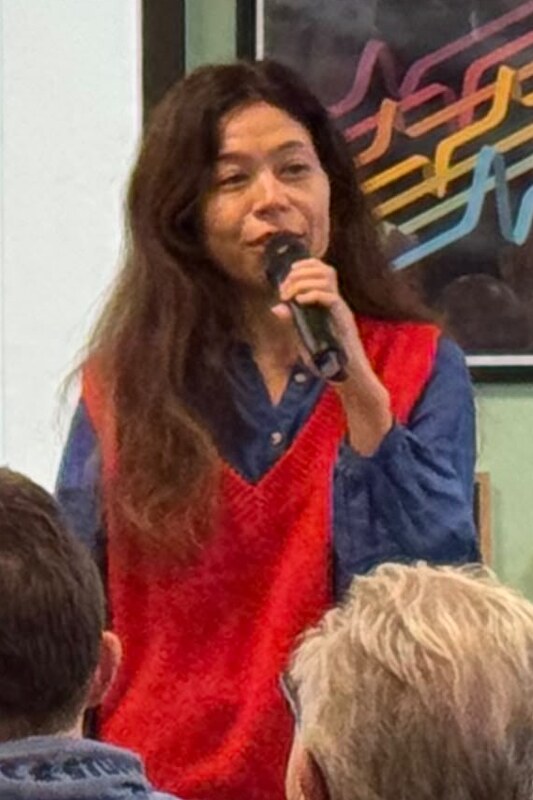
Wine marketing & PR, Wine tours & Wine tastings
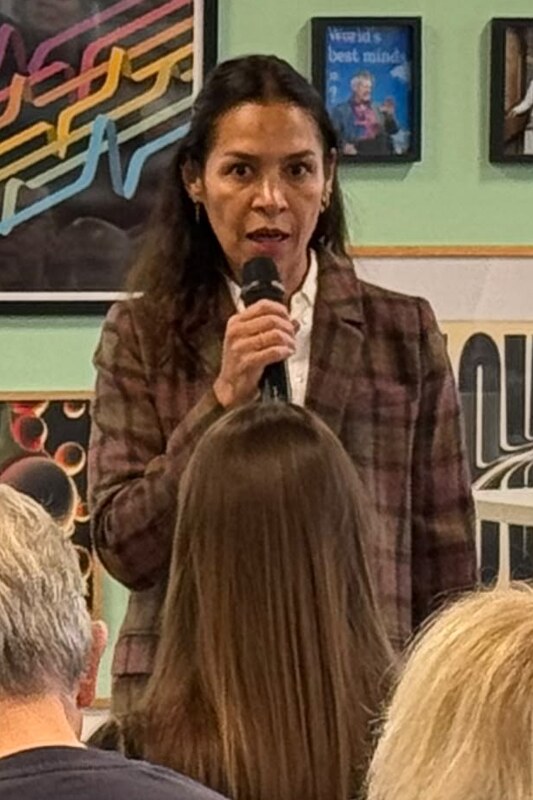
Founder @ DBounce - the Spotify for Patient Data | AI for Health | Commercialization of Biomedical Data & Scientific Innovation | Fractional Advisor | Lecturer | Podcaster
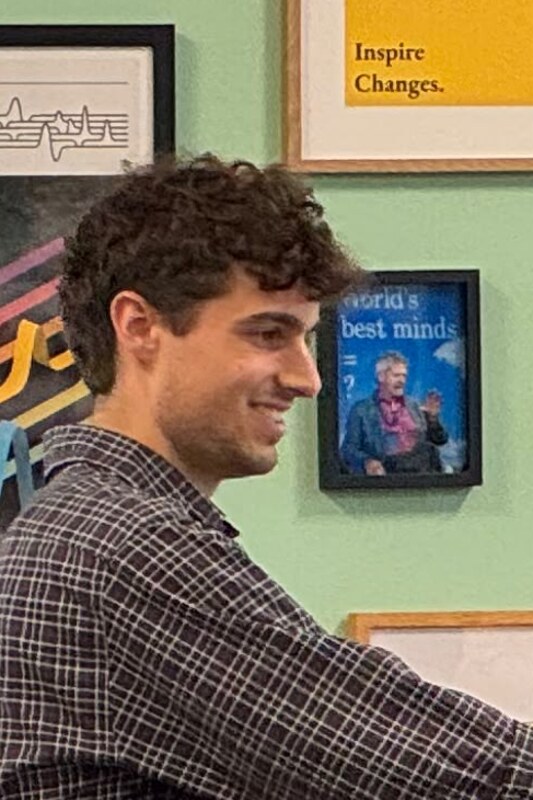
Quantum & Climate Research Lead | Founding Researcher | Supervisor at University of Cambridge | MSci Quantitative Climate and Environmental Science
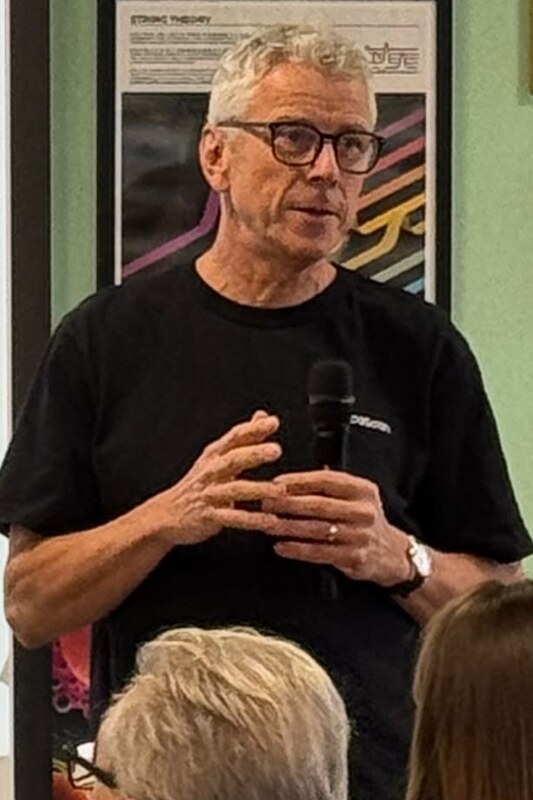
Partnership Manager, Orca Scan & Assistant Brewer, Jesus College Cambridge
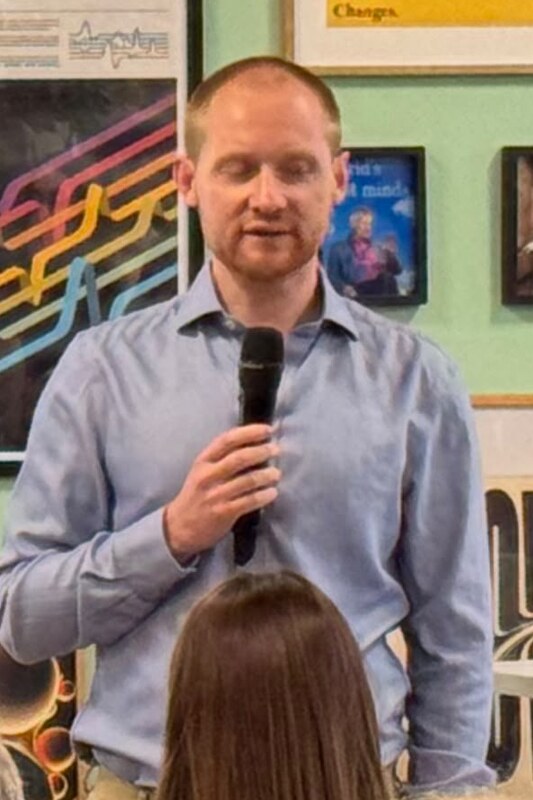
Show me the problem, and I'll find the opportunity.
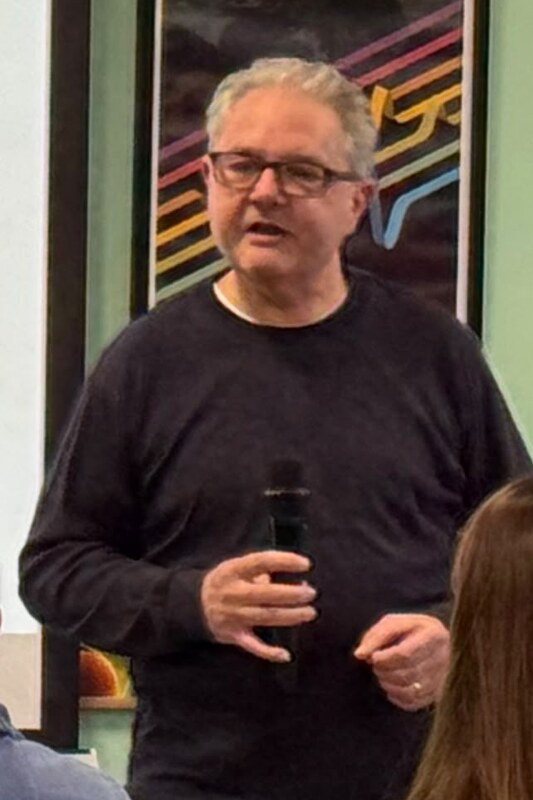
Founder, Blue River Foundry | Building ventures and engineering markets around breakthrough science | Venture Design • Market Creation • Adoption Strategy
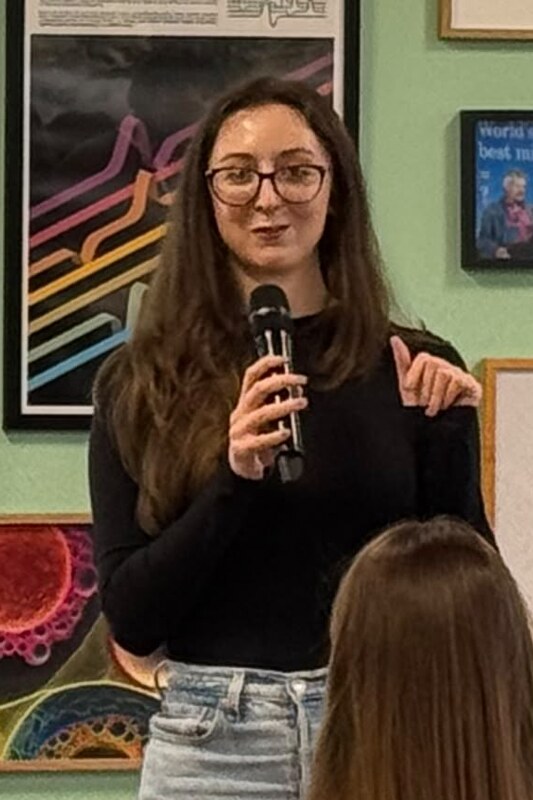
Fractional COO and Startup Fundraising Consultant | Helping founders raise, scale and exit | Investor readiness, seed round consulting and exit readiness | 250+ startups advised | $3m seed closed | 1 acquisition
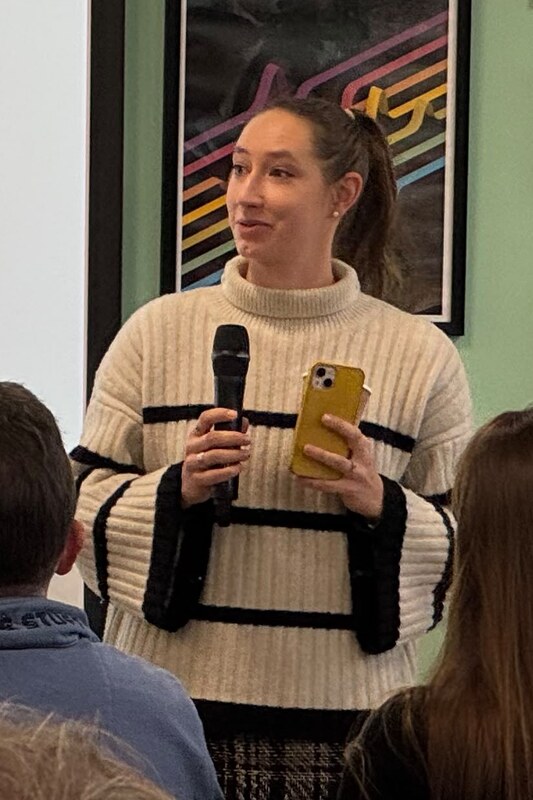
I make ISO certification useful and management systems simple for scaling start-ups.
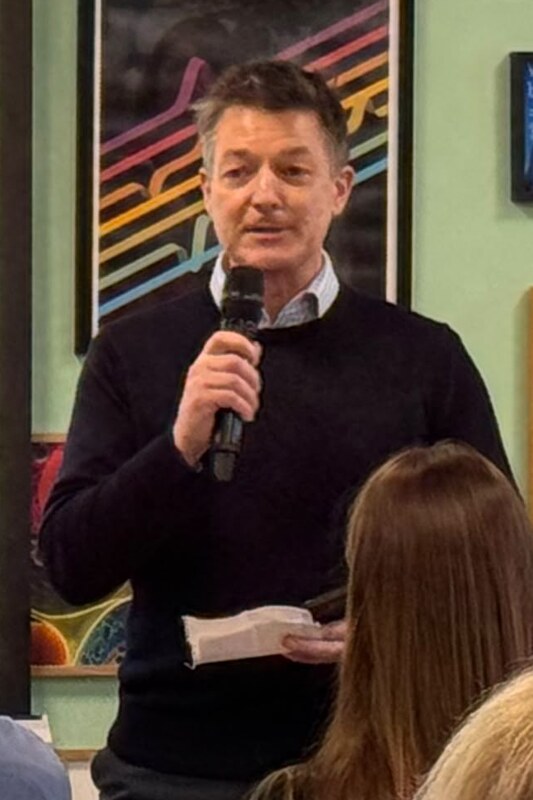
Life Sciences Partnerships & Strategic Collaborations | International Stakeholder Relationships | Commercial Negotiation & Problem-Solving | Legal & Business Background | Japan – EMEA - International | Japanese Speaker
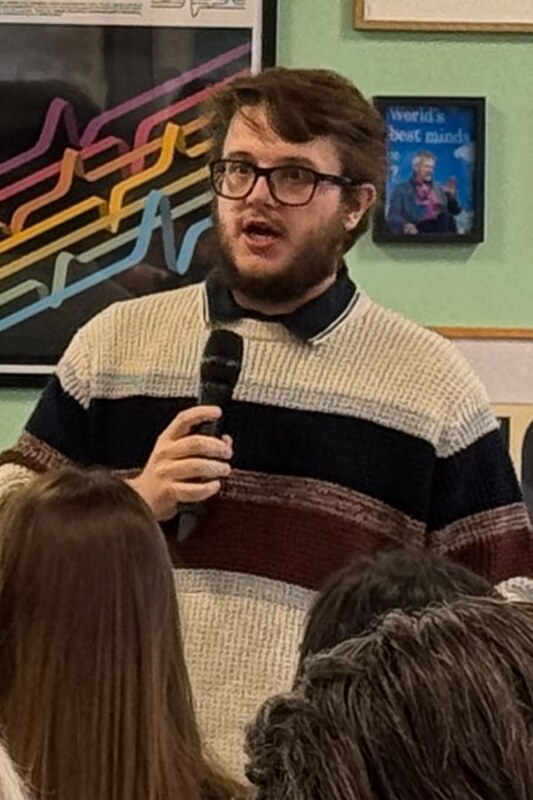
Helping founders keep and grow the customers they've worked hard to win | Customer relationships, retention & renewals | Practical advice & fractional support | Village cricketer, optimistic batter
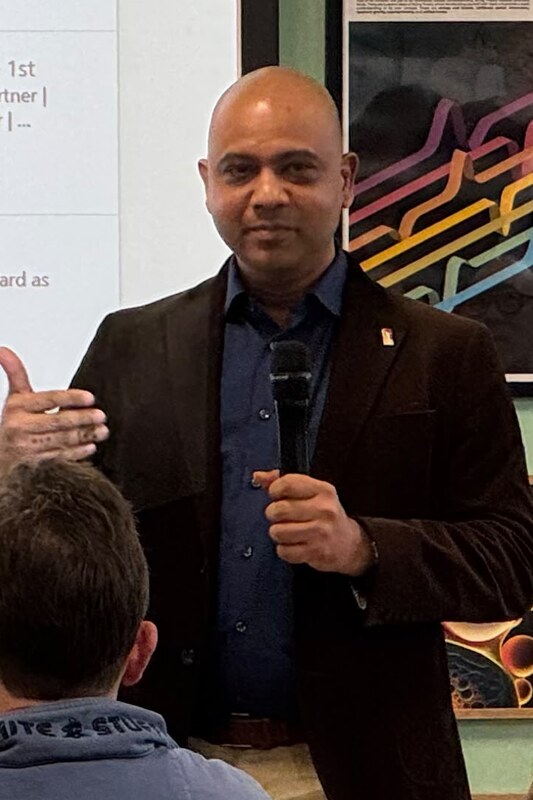
Building Wealth for Professionals & Entrepreneurs | AI Strategy Researcher
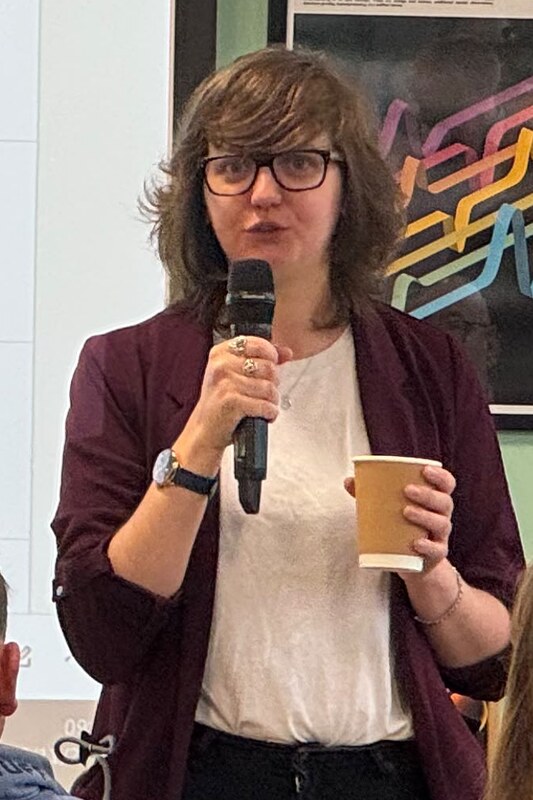
Digital Product Designer & UX/UI Partner | Co-creating Human-Centred SaaS & Mobile Products for Ambitious Startups | From Concept to Scale | Cambridge, UK
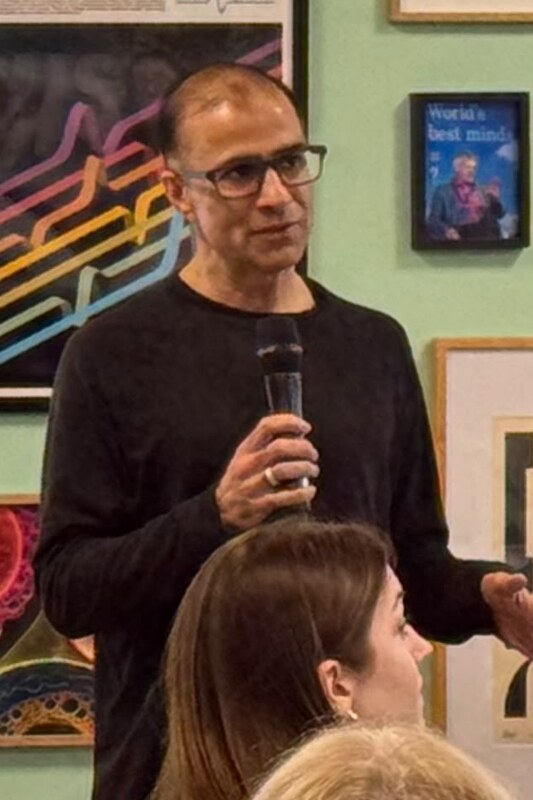
Information Security professional.
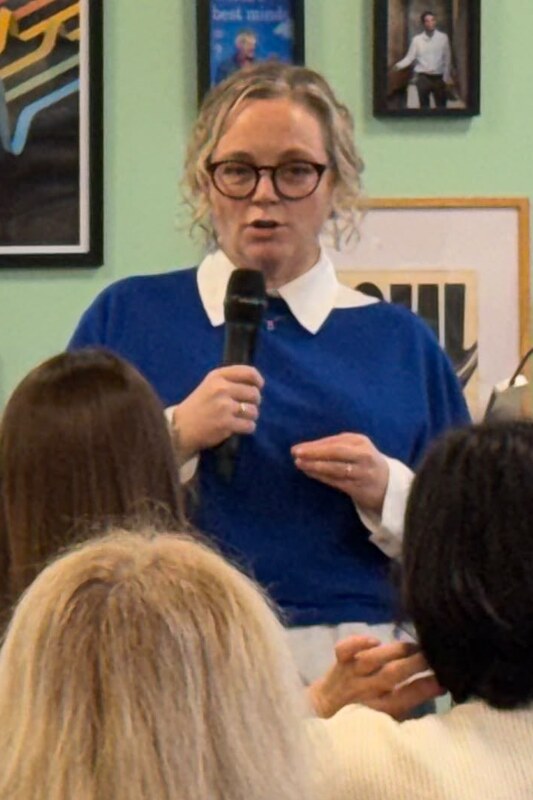
Founder. Filling in data chasms. Raising SEIS. Fractional Chief Learning Officer
Founder | Technology, Strategy & Startups | Building Products, Platforms & Communities